



Coq au Vin
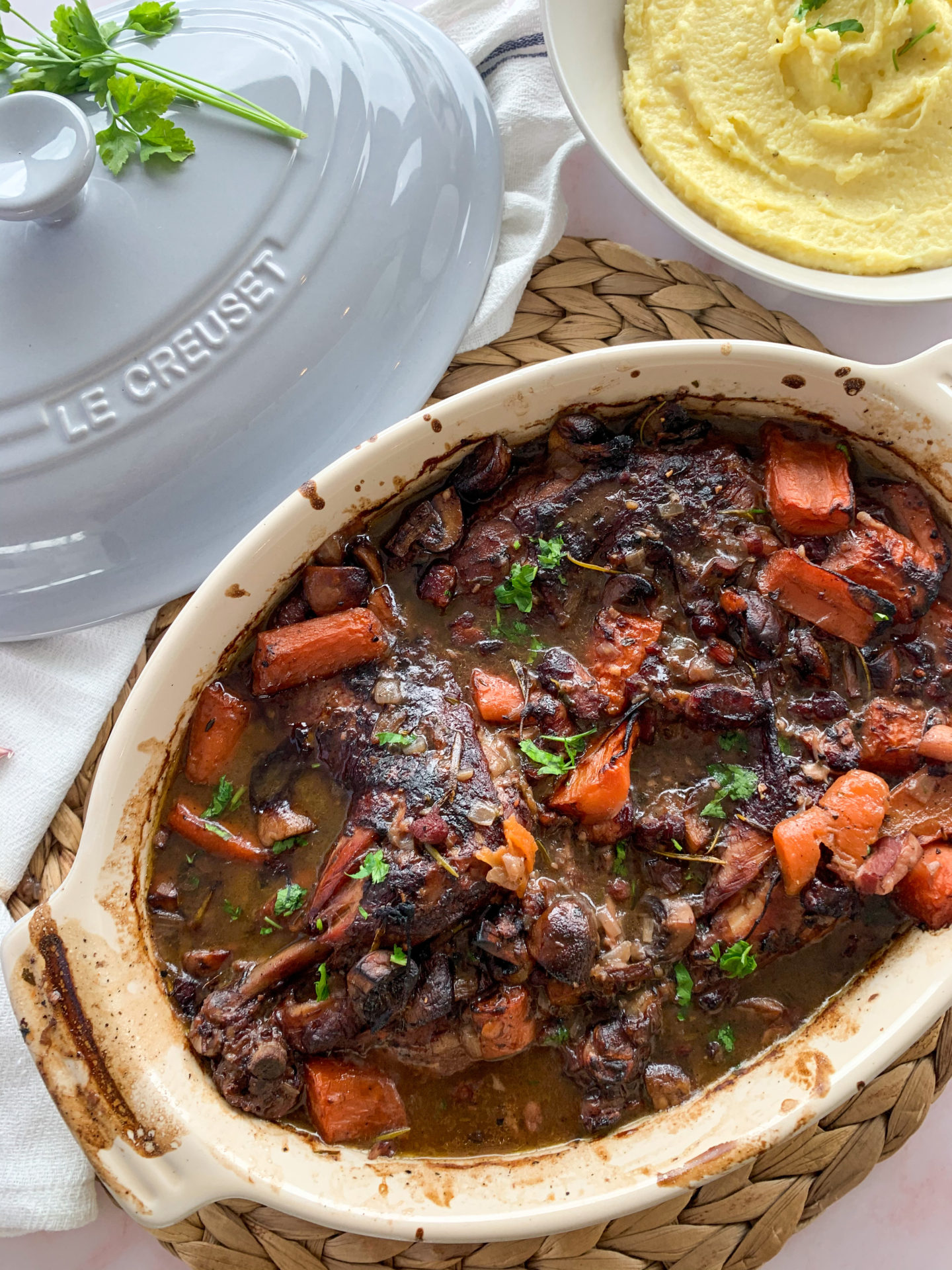
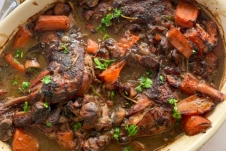
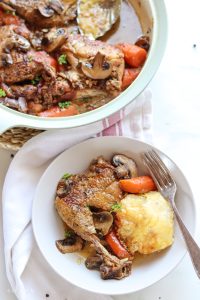
This complex French classic is one of my favourite French meals, the flavours in this dish are savoury and rich. This inspiring dish is perfect for a special home cooked meal or dinner party. Coq au Vin is chicken slow cooked in red wine with flavourful chicken stock, carrots and mushrooms, herbs and very few spices. If you like chicken stews you will love this delicious recipe – plus it makes your home smell amazing!
I first tried Coq au Vin while on holiday in France as a teenager. It was at a cute little French bistro in Normandy and it was just sensational. Now that I’m all grown up, I had to come up with my own recipe for dinner parties and those cold winter months when rich stews are all the comfort you need.
What chicken should I use?
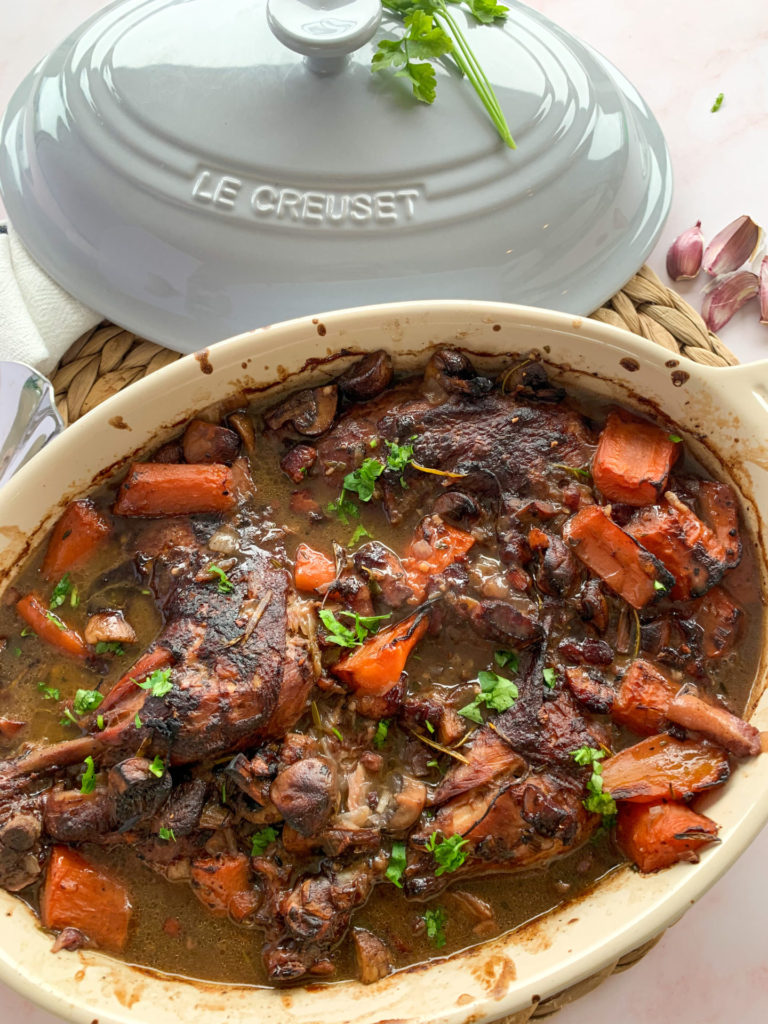
Traditionally, a whole organic, free range laying hen is used for this dish. Like most braised dishes, tougher cuts of meat with more connective tissue and bones are used to give more flavour to the stew. I highly recommend using chicken legs at the very least if you are planning to cook this dish. Breast is not going to give the stew the depth of flavour that you want and it will be far too soft by the time the stew has finished cooking.
The best chicken to use in this recipe is an old laying hen. The meat is tougher and fairs far better for slow cooking and adds unmatched flavour to your stew. Depending on where you are in the world, at your local butcher ask for a boiling chicken, laying hen or old rooster. Non-organic supermarket chicken cooks far quicker and the meat is a lot softer than that of the chicken I am describing above.
Of course this recipe is delicious with any kind of chicken but if you want to make the dish truly authentic, I highly recommend making the extra effort to source some organic free range ‘hard’ chicken. Just let the butcher know what you are cooking and looking for and they will know what to offer you! It is well worth the extra money, especially if you are cooking this recipe for a special occasion.
What do I need?
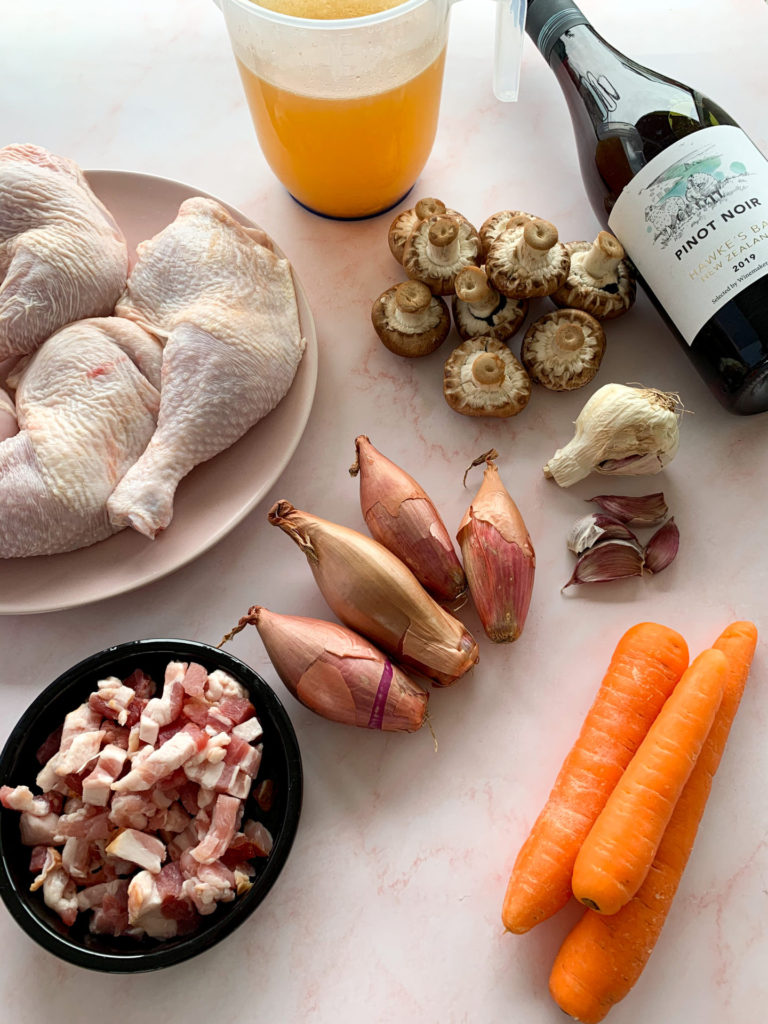
- Organic free range chicken – I think I have banged on enough already about the best chicken for the recipe above!
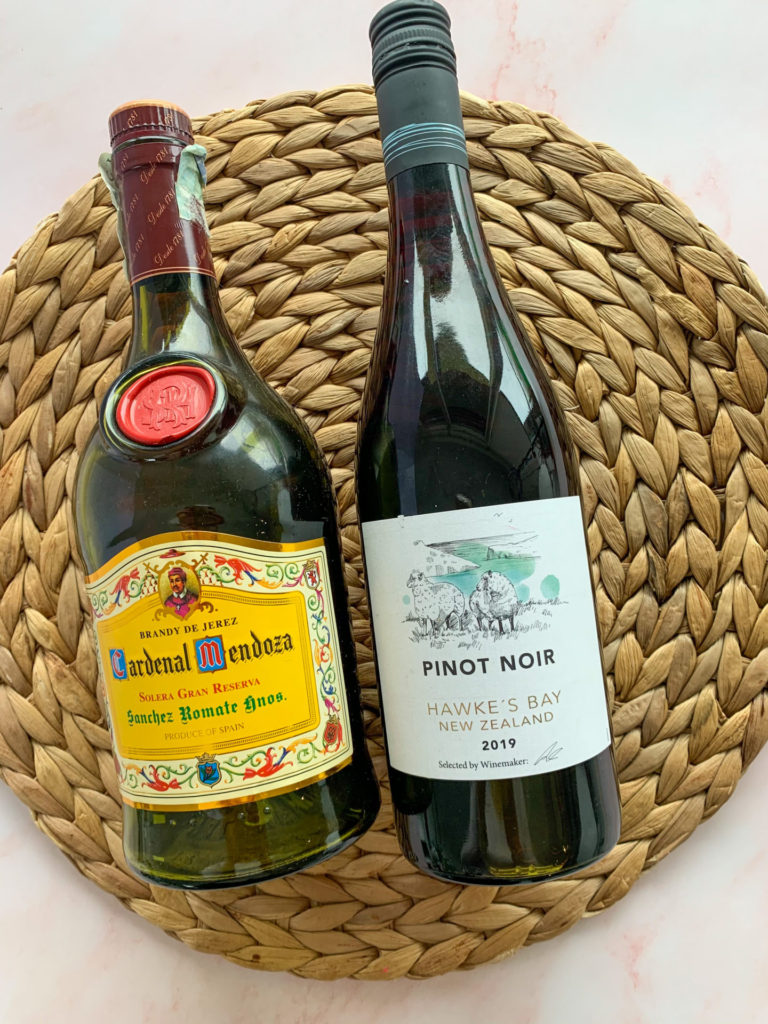
- Red wine – The best wine to go for this recipe is a medium bodied wine like a burgundy or pinot noir . Do not use cooking wine, you want a reasonably good bottle of wine.
- Cognac or brandy – This ingredient could be considered optional. However, if you do have some in your alcohol cabinet, you will not regret using a half cup to deglaze the pot.
- Chicken stock – If you can make your own chicken stock that would be the best option. Alternatively, you can buy some shop bought or even check your local butchers. If you are really trying to cut costs you can use these trusty Kallo stock pots.
- Lardons or pancetta – This is going to add even more flavour to your stew. I use both and is dependant on what the supermarket has.
- Mushroom and carrots – I like to use cremini or chestnut mushrooms. They give the sauce enough mushroom flavour without overwhelming the rest of the ingredients.
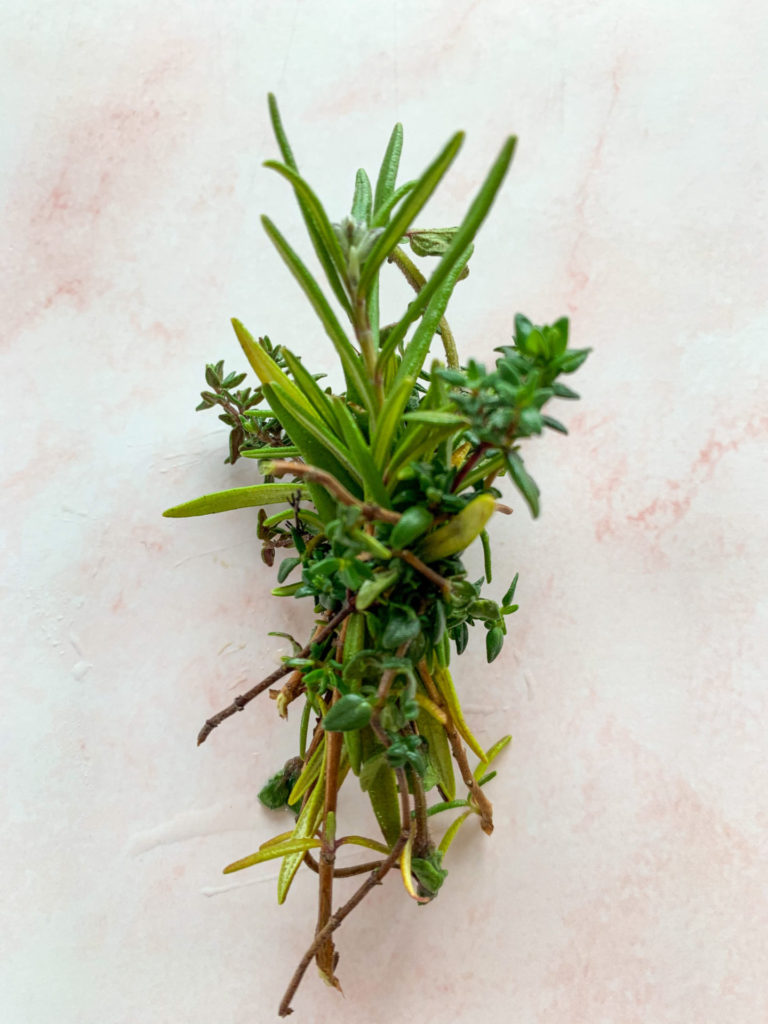
- Bouquet garni – A bouquet garni is a bunch of herbs often added to casseroles, stocks, soups and stews. It traditionally comprises of parsley, thyme and a bay leaf. You can buy these in most supermarkets or make it yourself if you have a herb garden like me!
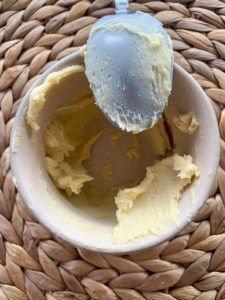
- Beurre manié is kneaded butter, it is a dough, consisting of equal parts butter and flour. It is used to thicken sauces and soups. All you do is combine soft warm butter together with flour.
Tips & Tricks
- The better the bottle of wine the better the sauce. I tend to go for a relatively young bottle of pinot noir that I would happily drink. If you wouldn’t drink it then don’t use it!
- Use a cast iron pot if you have one. This will make a difference to the overall outcome of your dish. It will retain the heat in the pot well and allow your chicken to braise peacefully inside your stew.
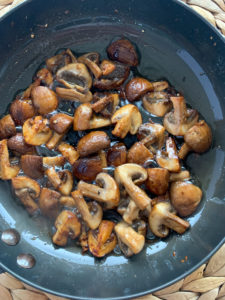
- Sautéing the mushrooms separately in butter at the end is a key tip when cooking this dish. This is going to allow the nutty flavour of the mushrooms to come out when frying in this way. By adding the mushrooms at the end you ensure that they do not melt and completely disintegrate in your stew. I like to put half the at the start to flavour my stew and the other half at the end.
- You might notice that this recipe doesn’t call for pearl onions which are a common feature of the traditional recipe. I haven’t used them as they are hard to find and don’t, I feel make much of a difference. If you want to use them peel and cook in a shallow frying pan with butter until soft and juicy. Then add them to the pot at step 14.
- Mise en place – if you dont know about this method you really should! Mise en place is French for “putting in place”. This french cooking method involves gathering, washing, chopping and prepping all your ingredients into separate bowls or containers. It makes cooking more efficient, easier and produces quicker and better results.
Serving Suggestions –
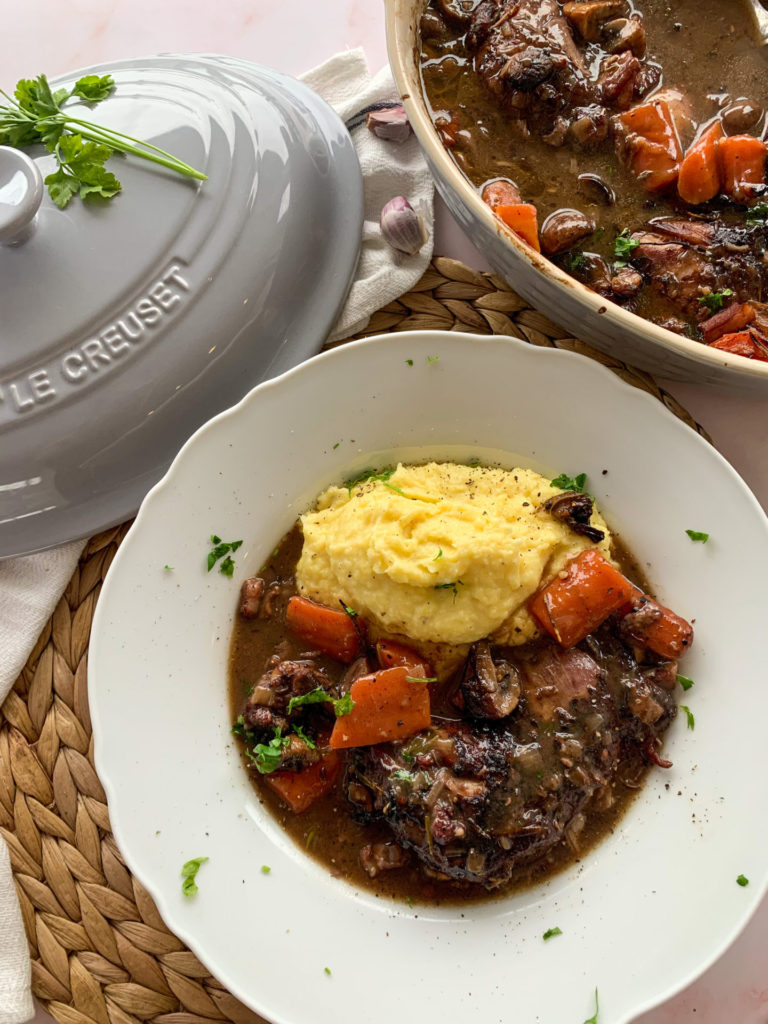
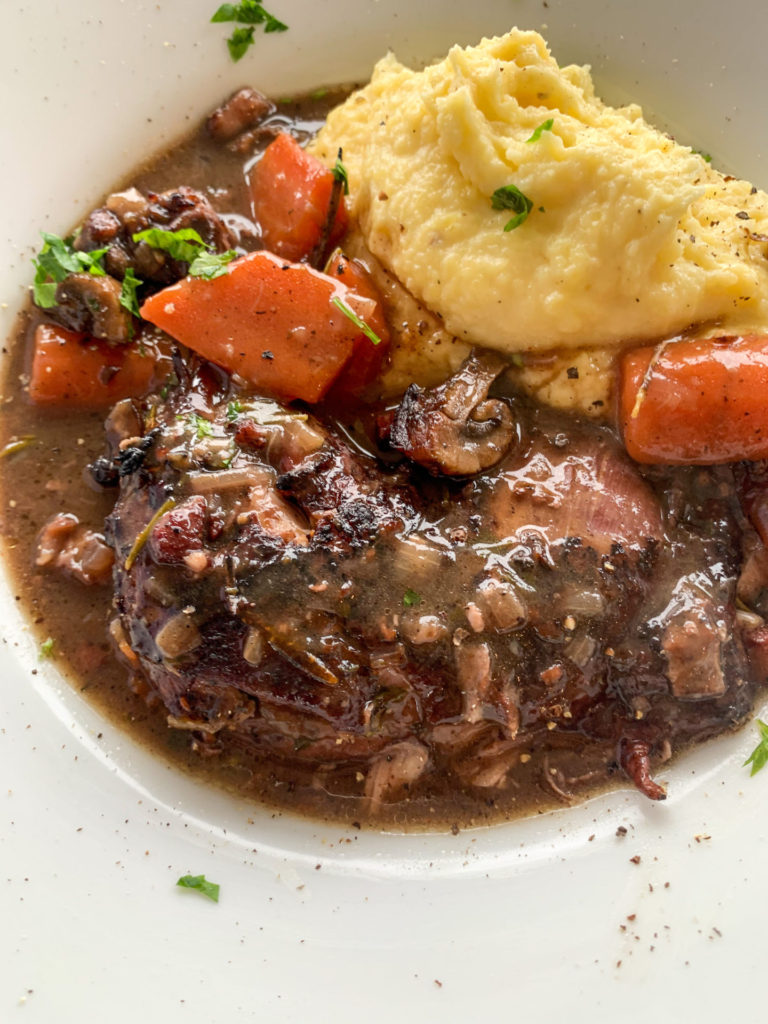
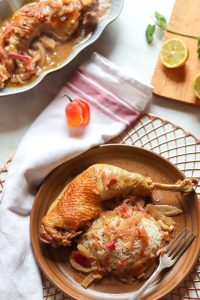
I love to serve my Coq au Vin with some deliciously creamy Pomme Purée thats French for mashed potatoes! A match made in heaven, mash soaks up the sauce beautifully. It is also delicious with Long Grain Rice or some crusty warm baguette. Don’t forget to pour yourself a large glass of red wine too – you deserve it! Let me know in the comments how it turned out!
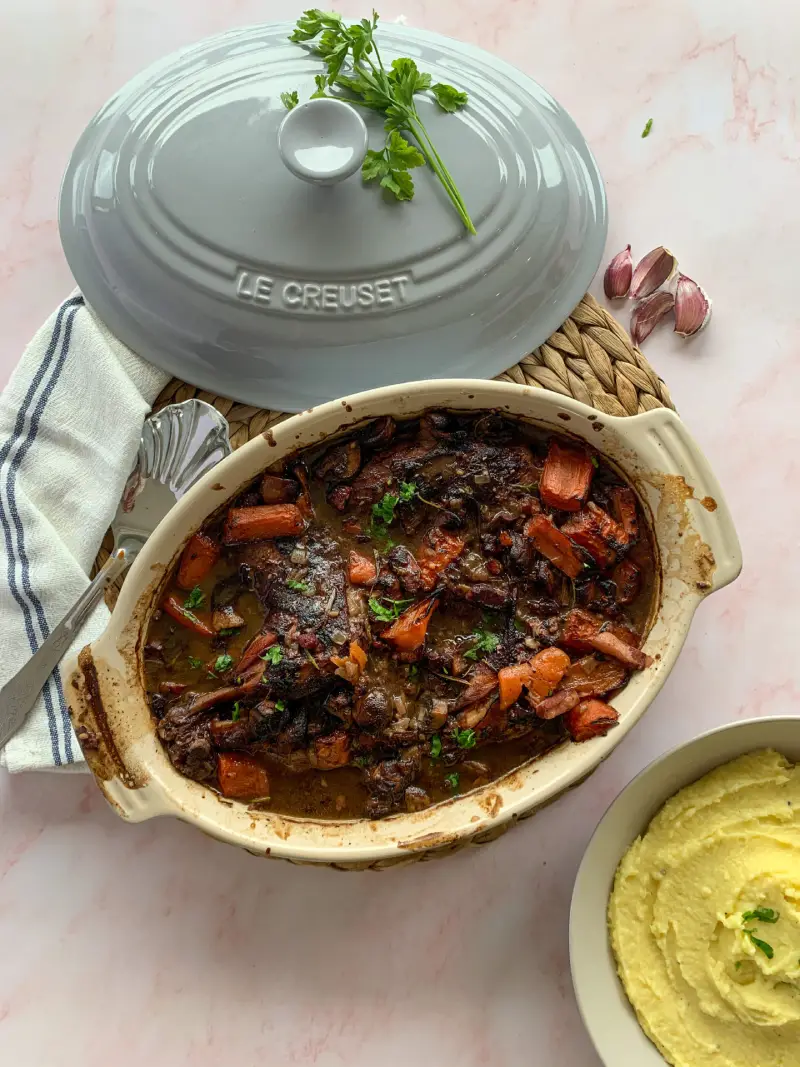
Coq au Vin
Equipment
- Cast iron pot
- Shallow frying pan
- Sharp knife
- Chopping board
- Wooden spoon
- whisk
Ingredients
- 1 whole chicken cut into sections or
- 4 whole chicken legs
- 300 g pancetta or lardons
- 1 bottle of red wine
- 4 garlic
- 1 large shallots
- 1 onion
- 4-6 carrots
- 500 g chestnut mushrooms
- 400 ml chicken stock
- ½ cup cognac or brandy optional
- 30 g unsalted butter
- ¼ cup flour
- 1 tsp black pepper
- 1 tsp cayenne pepper optional
- 1 tsp salt
- 1 tbsp olive oil
- 1 bouquet garni
Instructions
- Season the chicken with salt, pepper and a little cayenne pepper if you want a little spice. Chop the mushrooms into 4 pieces and the carrots into slanted quarters. Dice the shallots and onions and set all vegetables aside into separate bowls ready for use later.
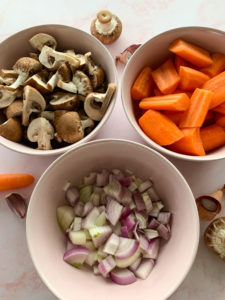
- Next heat your cast iron pot on medium high for about 5 minutes and then add the olive oil. Add the chicken pieces skin side down into the pan – careful not to overcrowd the pot. Cook in batches if your pot is not big enough to cook all at once.
- Leave the chicken to fry for about 3-5 minutes on one side until browned and crisp. Then turn over and repeat the same process on the other side before removing from the pan and setting aside on a plate to collect those juices.
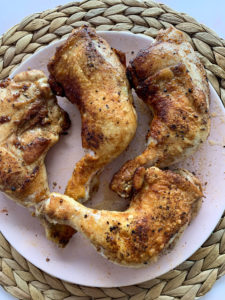
- Now scrape any really burnt bits from the pot and add a little oil if needed before adding the pancetta or lardons to fry. Fry these until the fat has almost completely rendered and then turn off the heat and remove to the same plate as the chicken.
- Now place your pot back on the heat and fry the onions, shallots and garlic in the pancetta fat left behind. Fry for 2-3 minutes or until fragrant and translucent. Add the garlic a minute or 2 after the onions as garlic tends to cook a lot faster.
- Now add half of the carrots and mushrooms to the pan and sauté for about 5 minutes. Then add the cognac or brandy and deglaze your pan using your wooden spoon to remove all that stuck on flavour from the bottom of your pot. This process should take about 5 minutes.
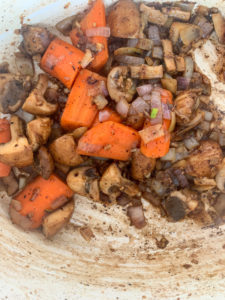
- Next you can pour in your wine, stock, seasonings and bouquet garni and stir. Now place your chicken pieces back into the pot using your tongs. Also add the cooked pancetta and any juices that have collected on the plate. Cover the pot and leave on high to come to the boil.
- After about 5-7 minutes your stew should be boiling. Lift the lid stir a little and turn the heat down to low. Set a timer for 1 hour and leave to cook with the lid on.
- After one hour check your stew it should be coming along nicely and starting to thicken up and change colour. At this stage add the remaining carrots and recover and leave for another 30-45 minutes. This will depend on your pot and the type of chicken you used.
- In the meantime heat some butter in your frying pan and add the remaining mushrooms and fry on high. Allow to cook untouched for about 3-4 minutes before turning. Sauté the other side of the mushrooms until they have a nice rich dark colour and are crisping up slightly. Then turn off the heat and set aside.
- Now get your flour and butter and combine together in a bowl using a spatula and set aside.
- After 30 minutes check your chicken and try the sauce if the chicken is tender and the sauce has thickened and taste amazing then you are ready for the final steps.
- Remove the chicken from the pan using tongs and set aside to a plate. Turn the heat up to high and add the buerre manié and use the whisk to continuously whisk until the mixture has completely dissolved. Now leave the sauce to reduce slightly – about 5 minutes.
- Finally, add the sautéed mushrooms stir and add the chicken pieces back into the pot cover and leave to simmer for about 5 minutes on medium and your Coq au Vin is finally ready – enjoy!
Notes
Did you make this recipe?
Please let me know how it turned out for you! Leave a comment below and tag @chilliandlife on Instagram and hashtag it #chilliandlife #CANDL.
Other Posts You May Enjoy

C’est tres formidable.