


Super Spicy Nigerian Stew with Fried Chicken and Beef
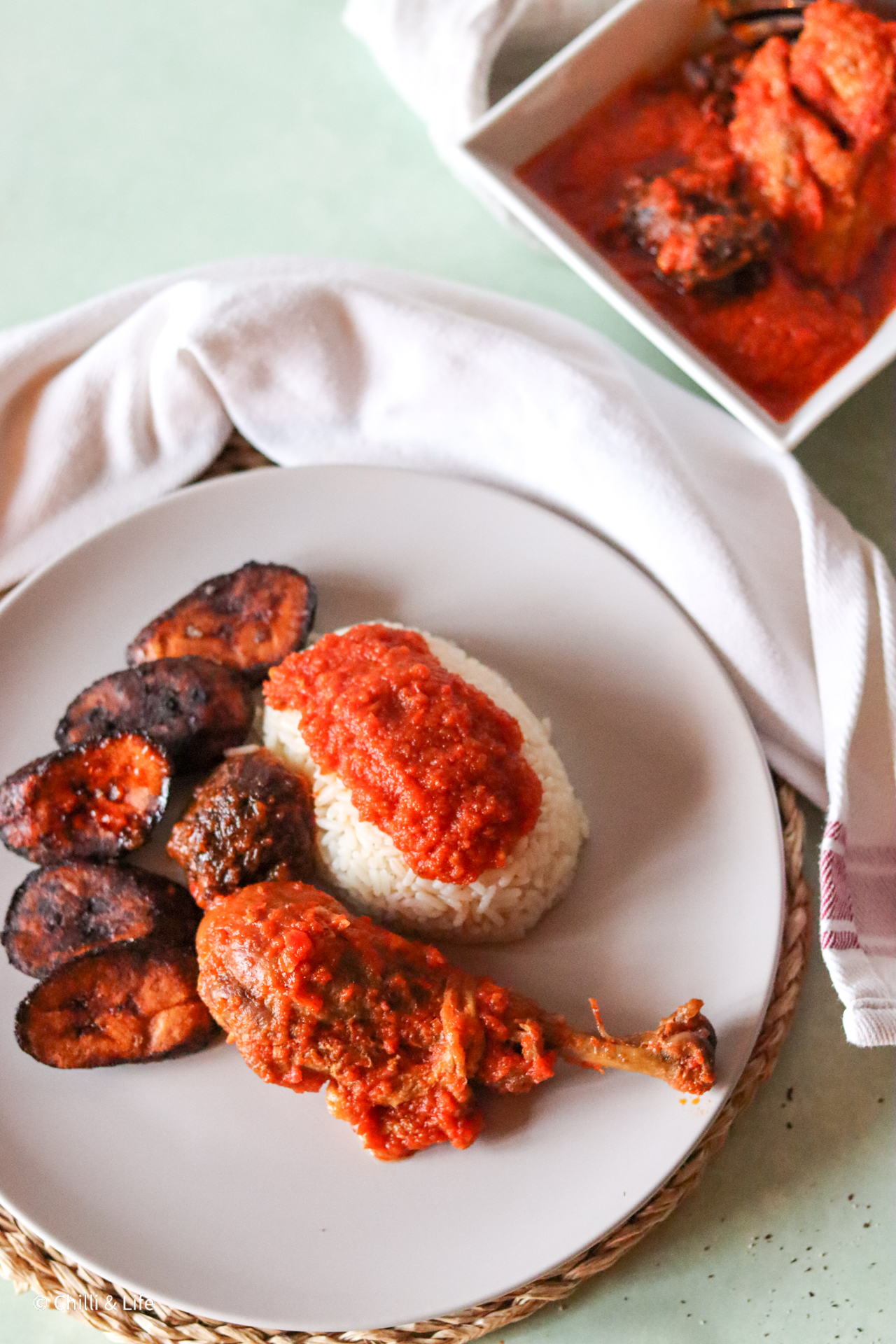
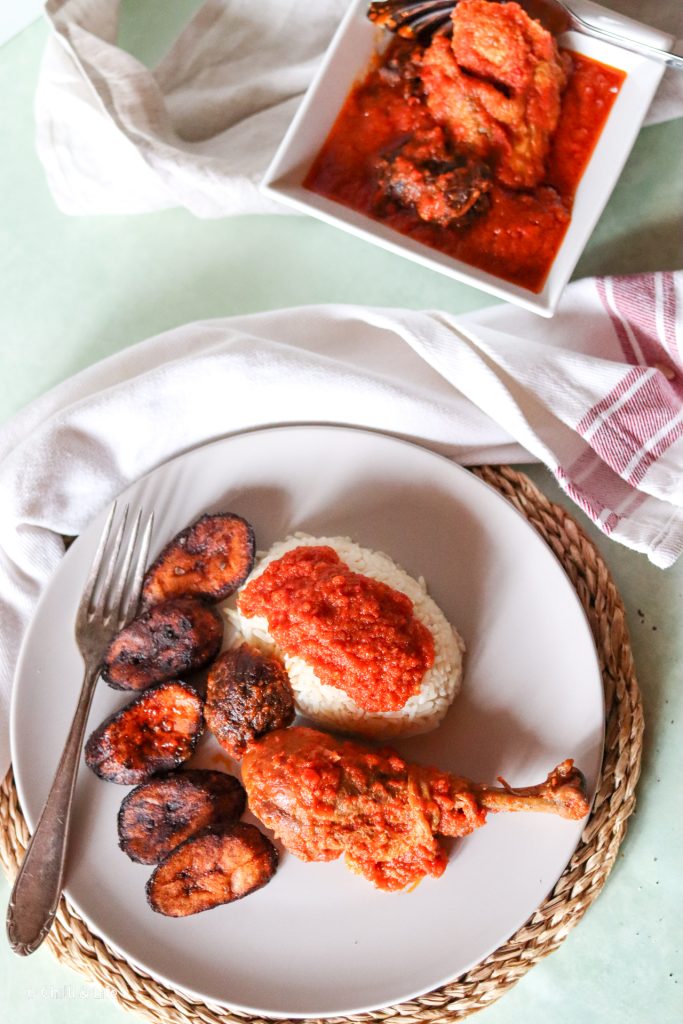
Super Spicy Nigerian Stew with Fried Chicken and Beef
- 7103
- 0
Super Spicy and Flavourful Stew!
This post may contain affiliate links, which means that I may receive a commission if you make a purchase using these links, at no extra cost to you. All opinions remain 100 % my own.
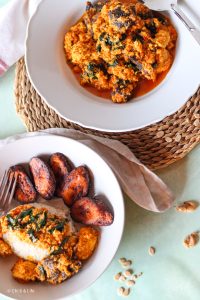
Learn how to make the best Nigerian Stew from scratch! This Nigerian staple will become your new favourite dish, if you love spicy food! Spicy, meaty and full of you guessed it flavour!
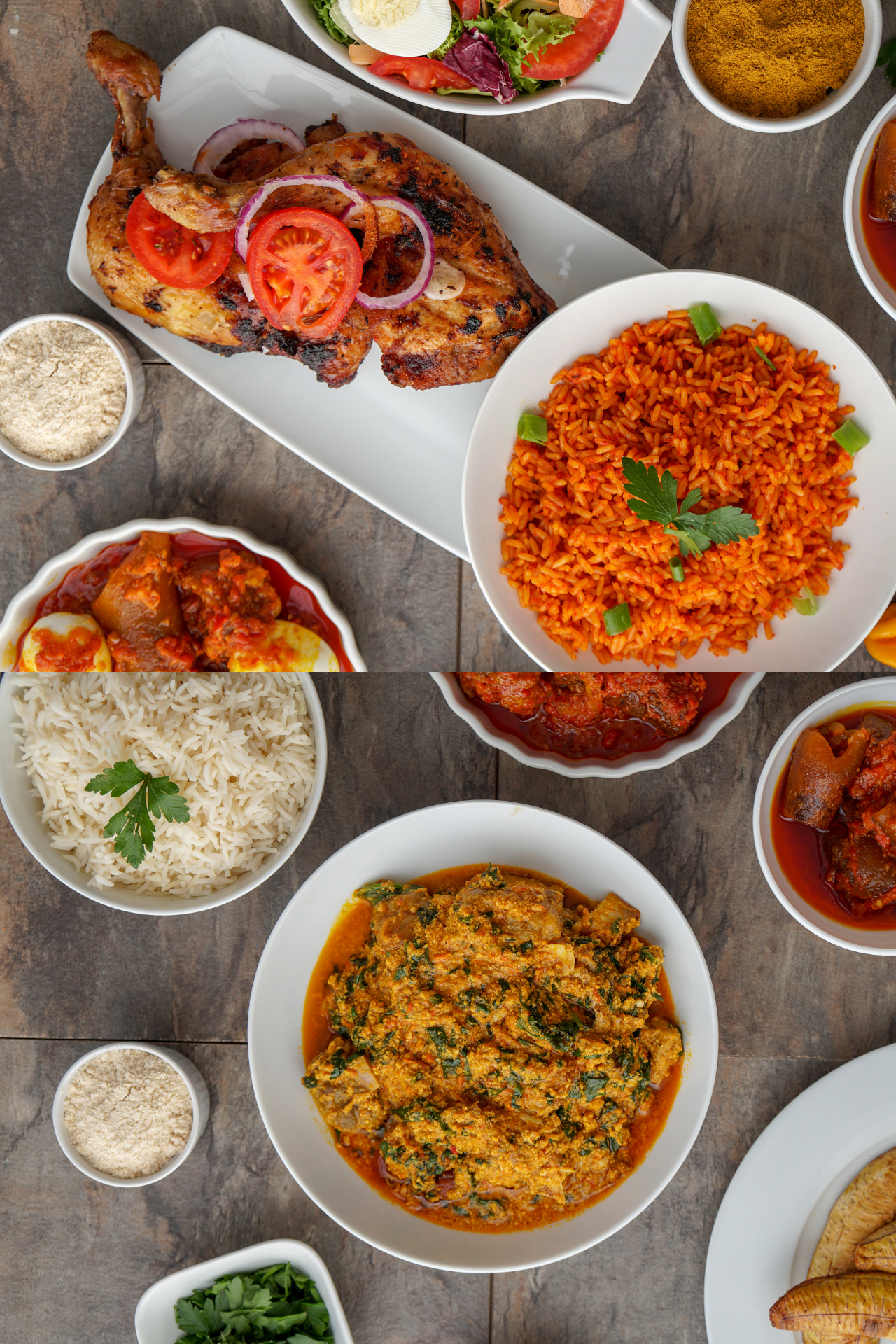
Celebrating Nigerian Food This Week!
This week I am celebrating Nigerian Food and doing so by sharing my favourite recipes and Nigerian cooking basics.
Check out my Nigerian Cooking for Newbies and come back on Sunday for the most popular Nigerian Soup Egusi Soup.


What is Nigerian Chicken and Beef Stew?
This popular stew is found in any true Nigerians fridge or freezer at any time! It is a household staple and often what you are told is at home when you innocently ask for a Mcdonalds from your Nigerian parents, on the way home!
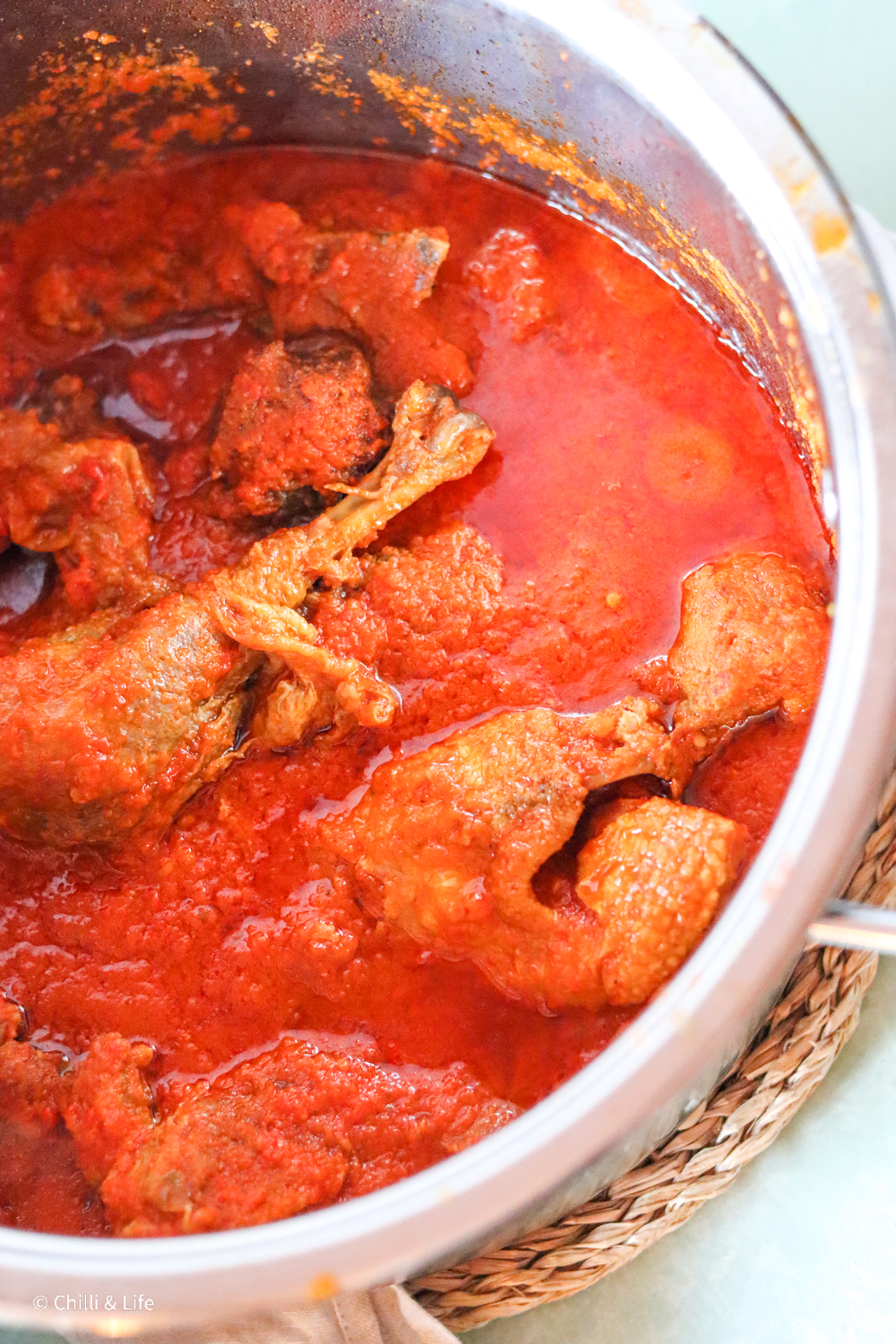
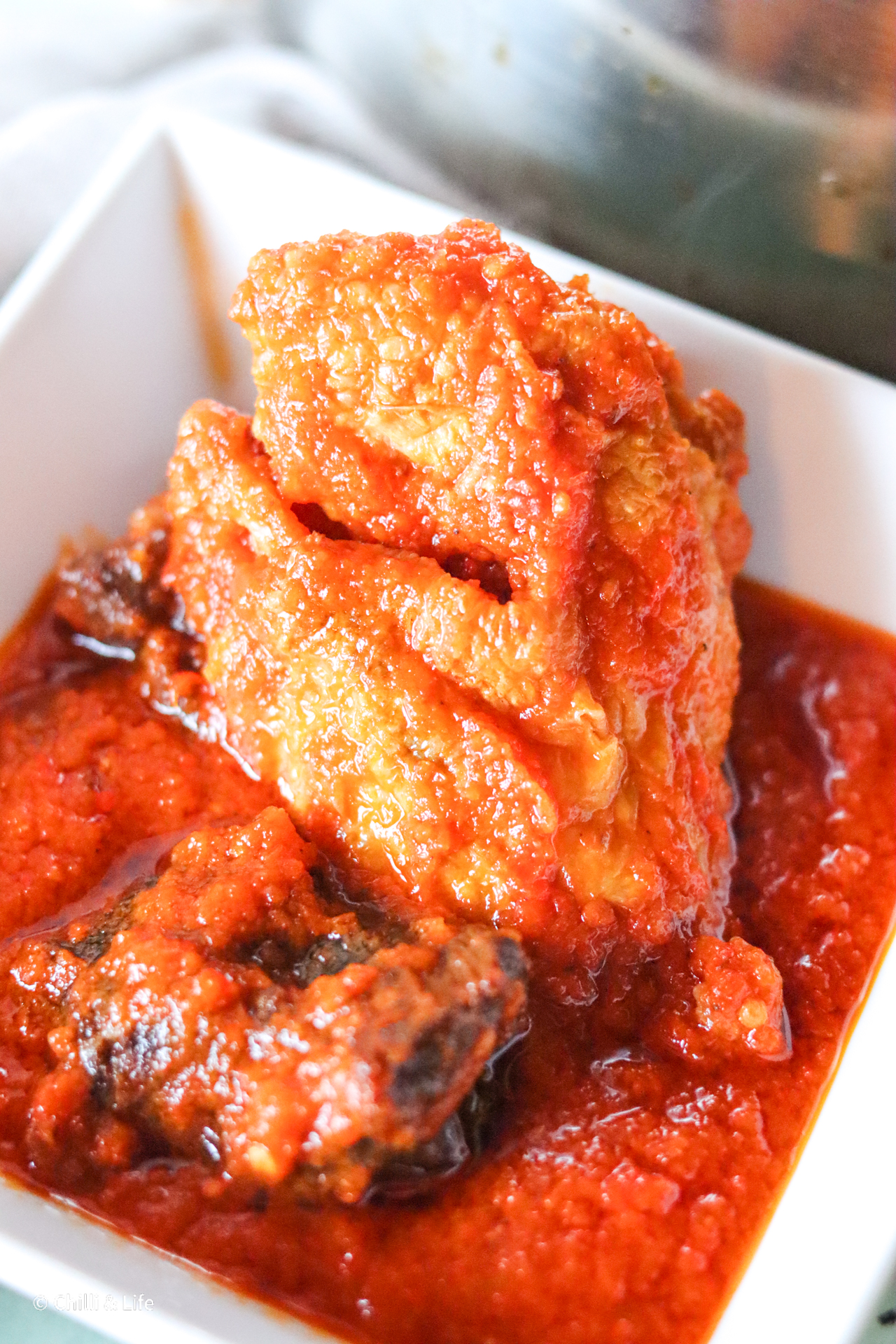
Like most Nigerians dishes the ingredients used are the classic combination of plum tomatoes, onion, scotch bonnet and red pepper. These staple ingredients are blended together to form a “stew base”. This base is then fried in sunflower and/or palm oil resulting in the most heavenly floured stew or sauce.
What Meat is Found in Nigerian Stew?
The meats often found in a typical Nigerian Stew are known as assorted meat. Assorted meat for Nigerians is a combination of chicken, goat and cow meat.
- Chicken – usually whole chicken cut into pieces with the bone in tact.
- Beef – cuts with fat and connective tissue in tact for flavour and texture.
- Goat – a popular meat choice.
- Pomo – Cow skin; and
- Shaki – or tripe, is Cow stomach.
The above are the most popular and commonly found meats in Nigerian Stew.
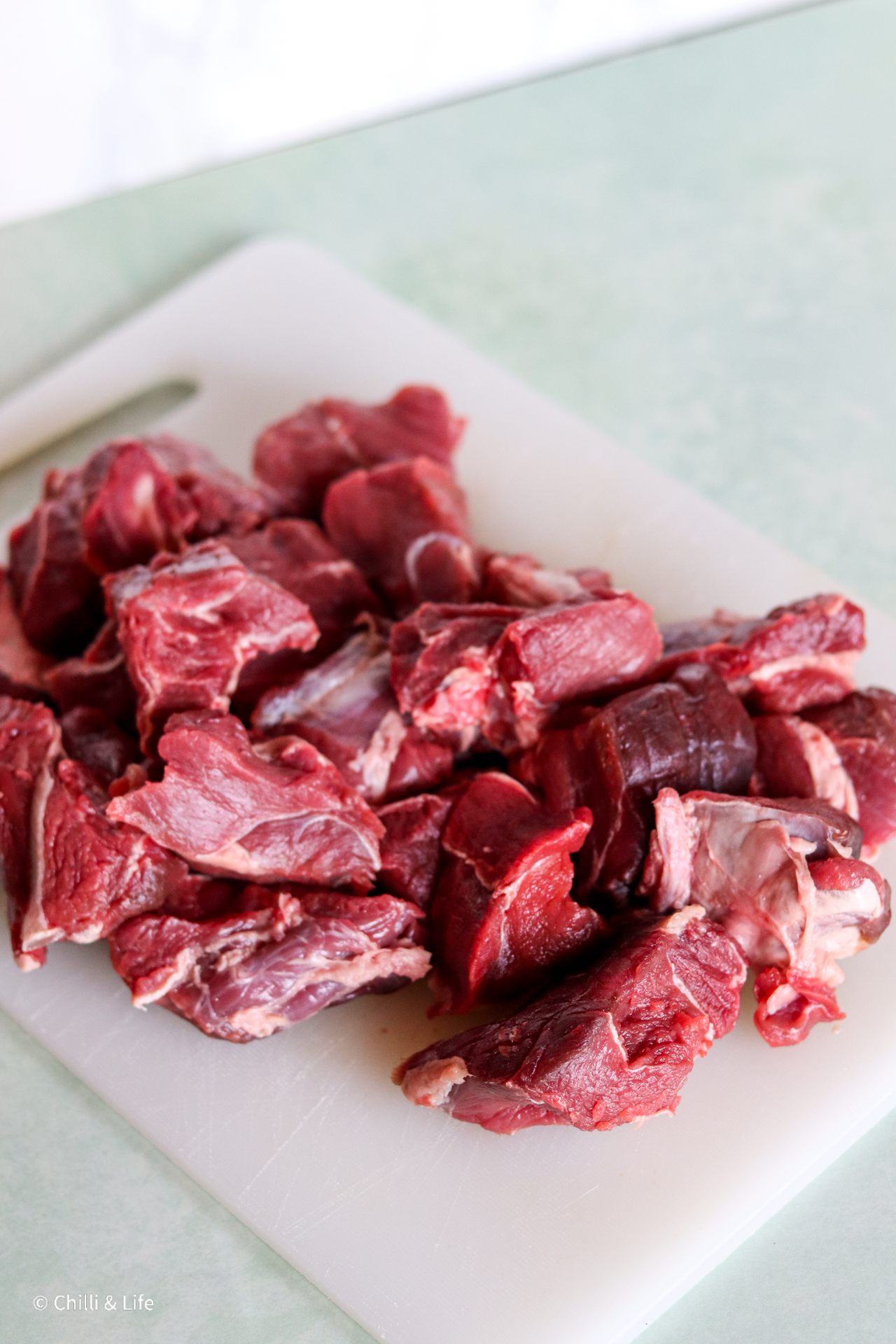
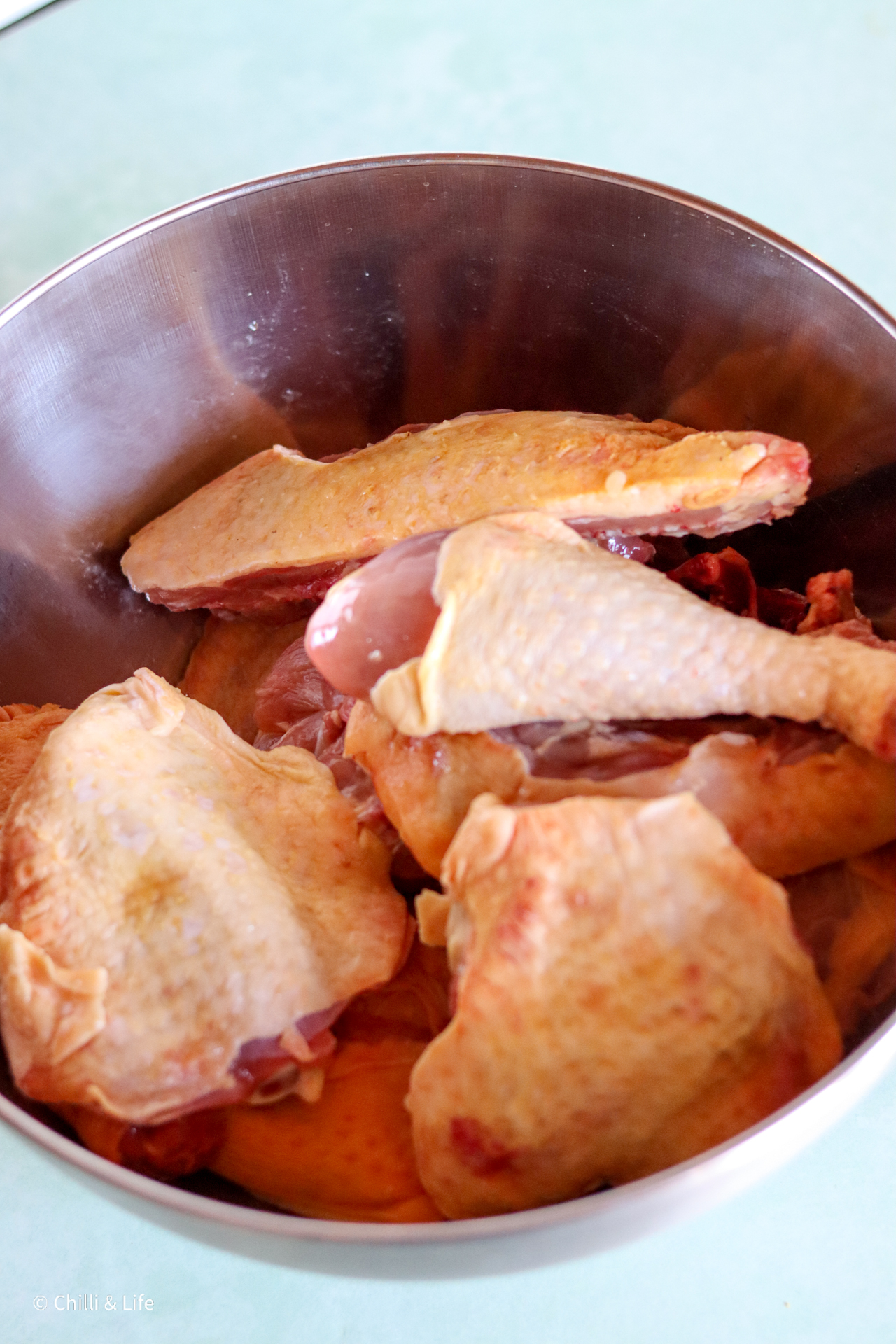
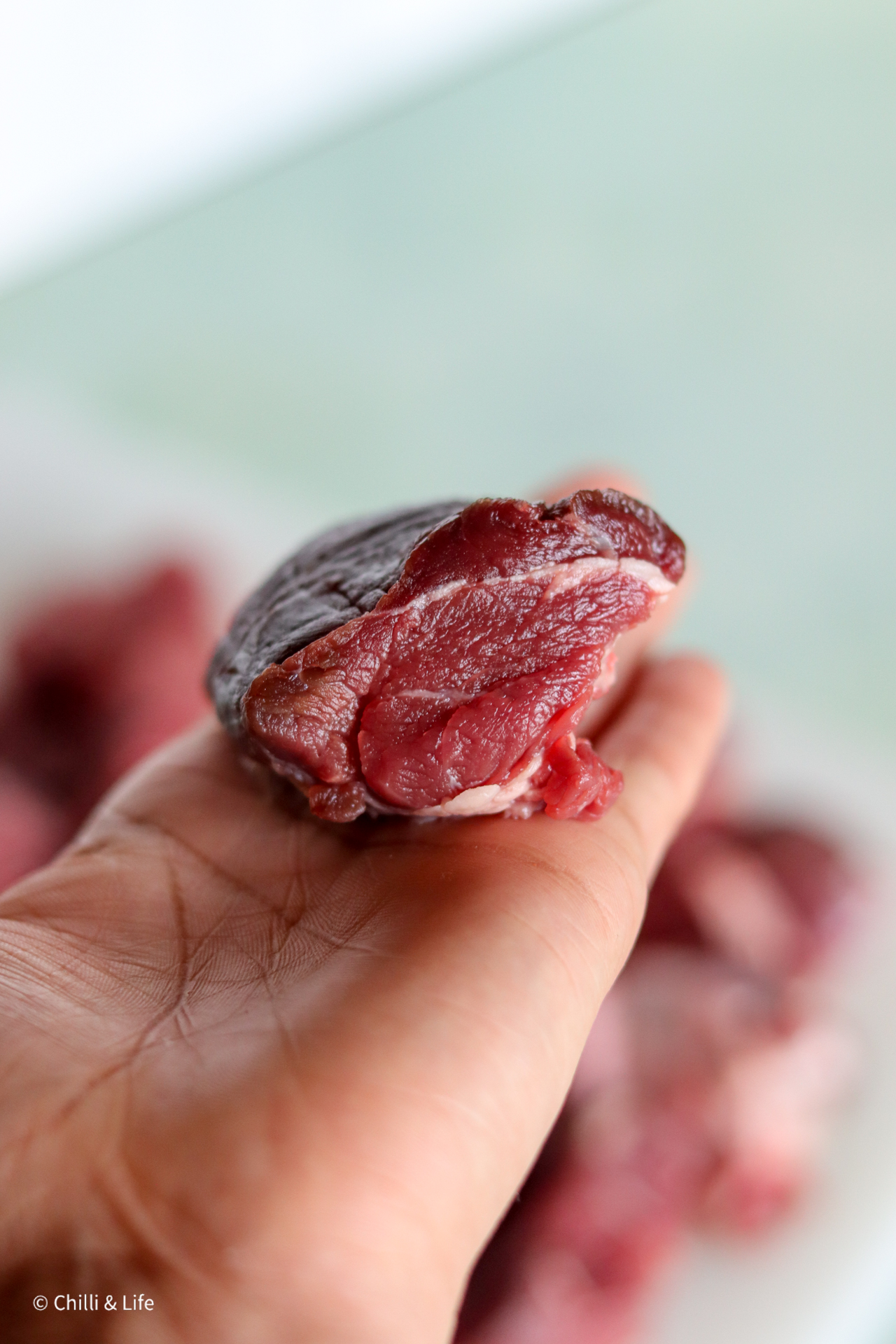
This recipe is a classic combination of chicken and beef. I have used a whole chicken that has been cut into about 10 pieces. The beef is muscle cut into small pieces.
How to Cook the Meat
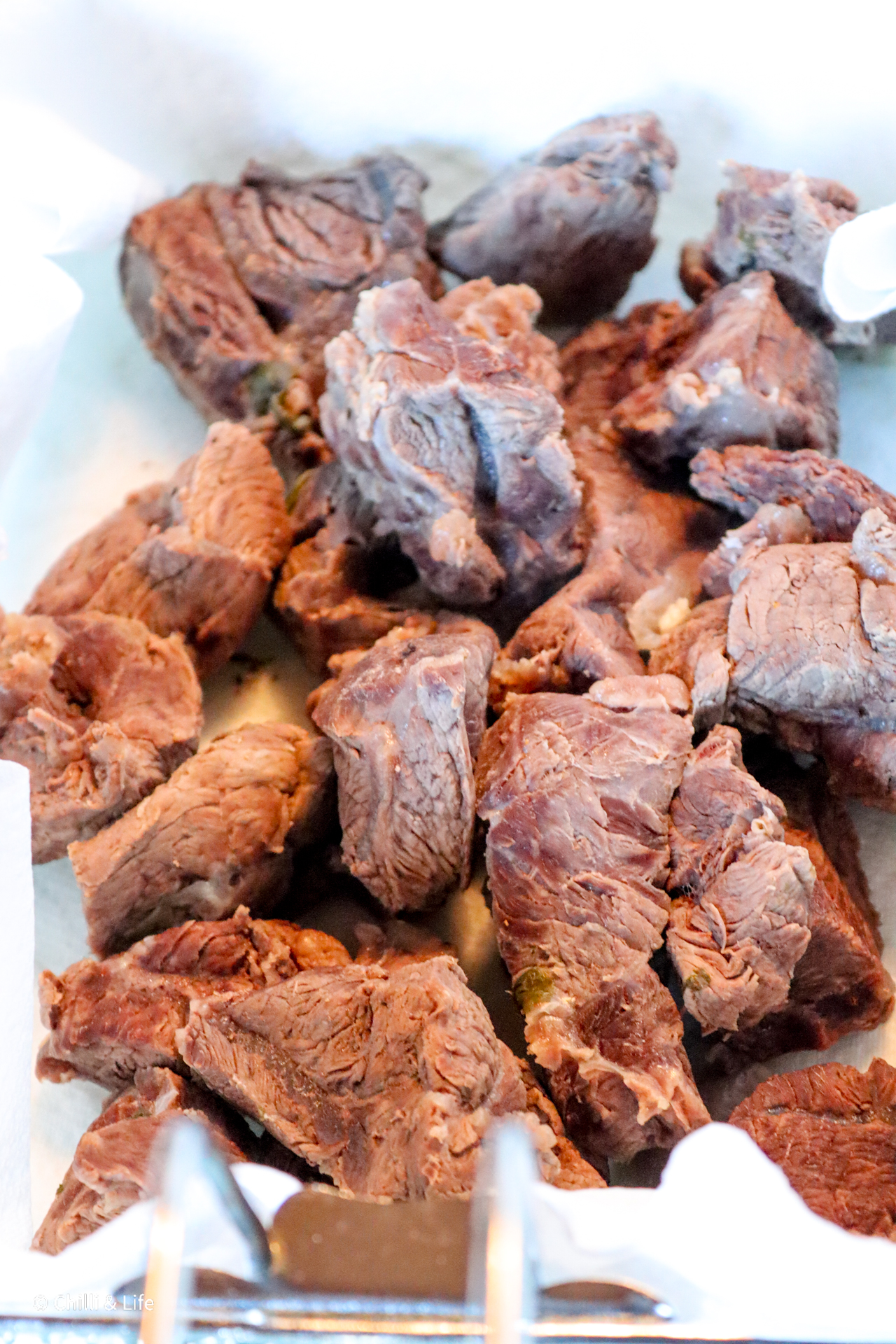
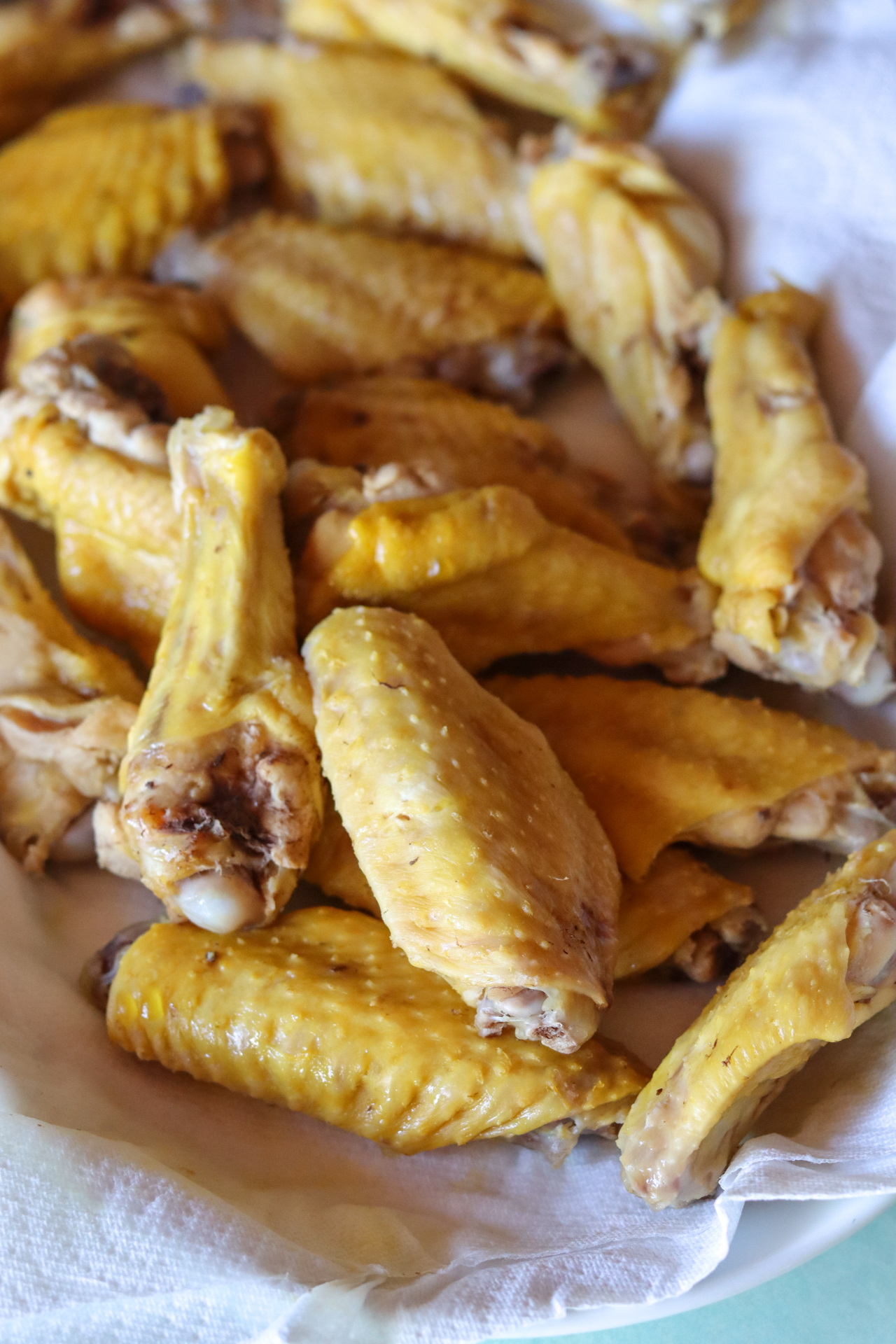
To cook the beef and chicken you will need to boil the meats separately with carrots, celery, onion, stock cubes and thyme. Boil the meat for about 30 minutes or until the meat is fork tender.
You can then sieve and save the liquid from the boiling process and this is a light chicken and beef stock perfect for using in a multitude of other recipes.
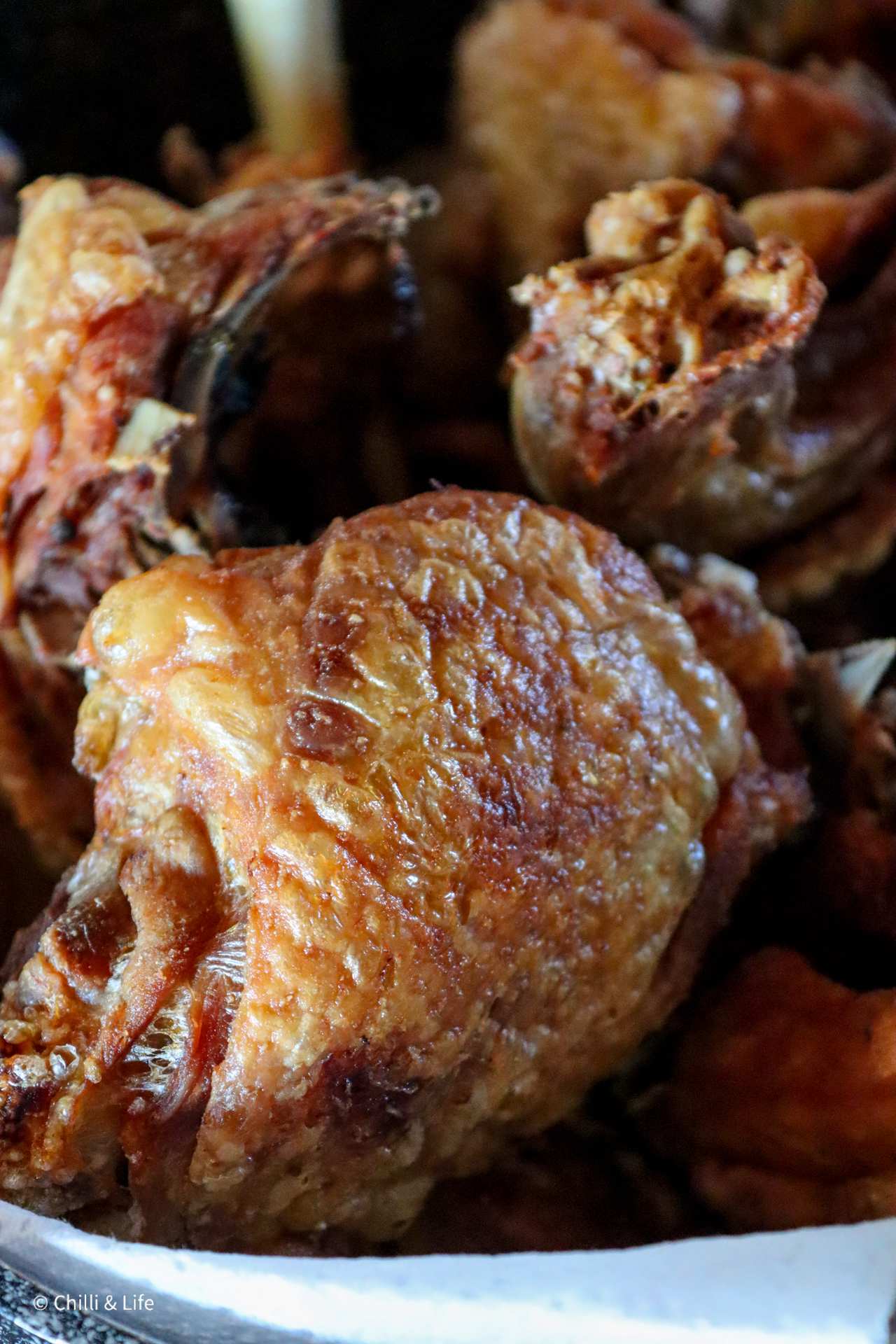
If you want to make your own Homemade Stock Find My Recipes here!
Does it have to be Spicy?
Nigerian’s love spicy food. Most Nigerians put chilli or “pepe” in everything they cook whether it be classic Nigerian food or pasta.
You can of course use less scotch bonnet to suit your palette but a classic Nigerian stew should and usually is super spicy, because we just love spicy food!
What Do I Need?
The ingredients needed for this delicious Nigerian Stew are staples found in every continent. Head to your local supermarket or green grocer and you will be sure to find what you need.
The Stew Base –
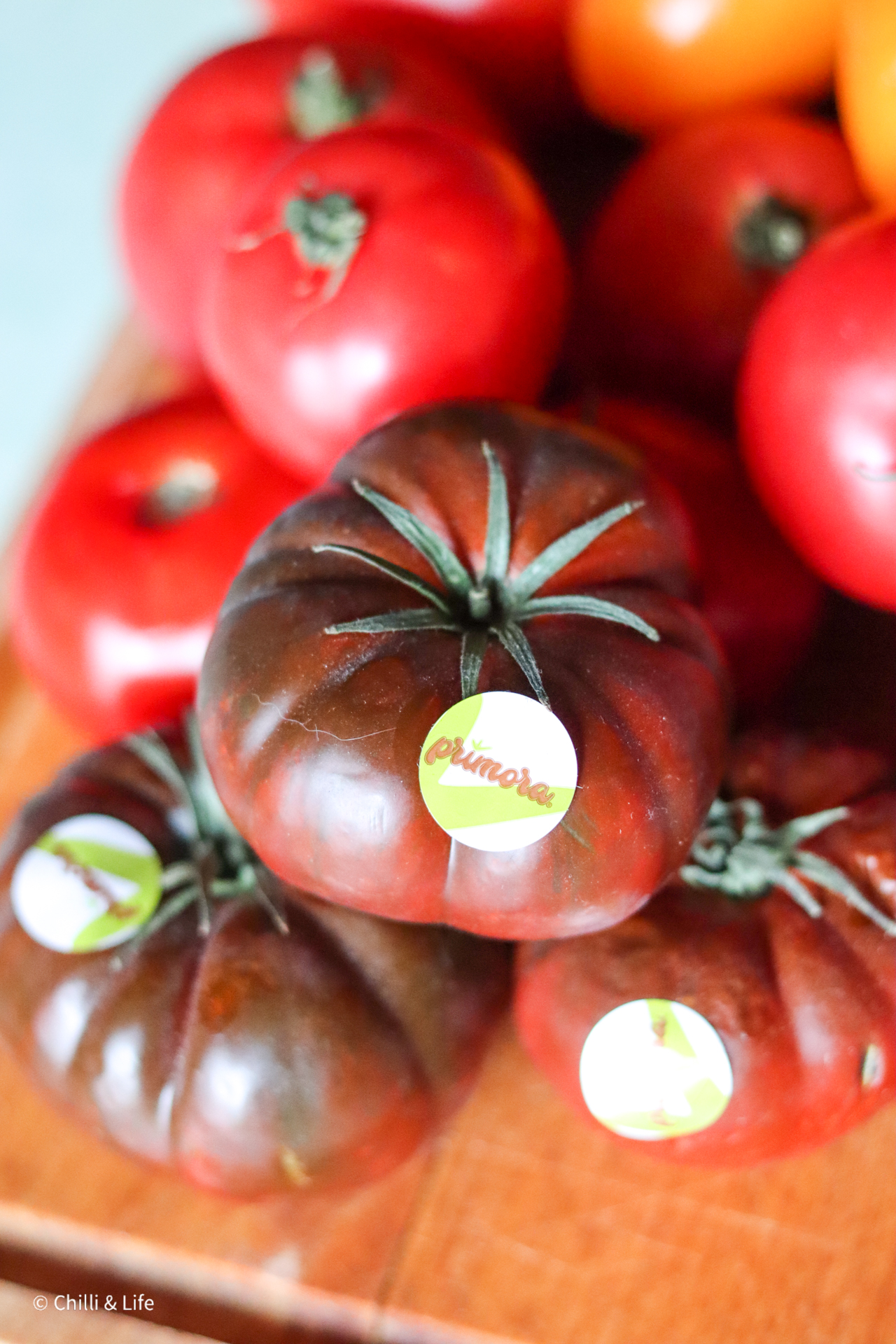
- Tomatoes – I like to use a variety of tomatoes for a more intense flavour but you can just use plum tomatoes.
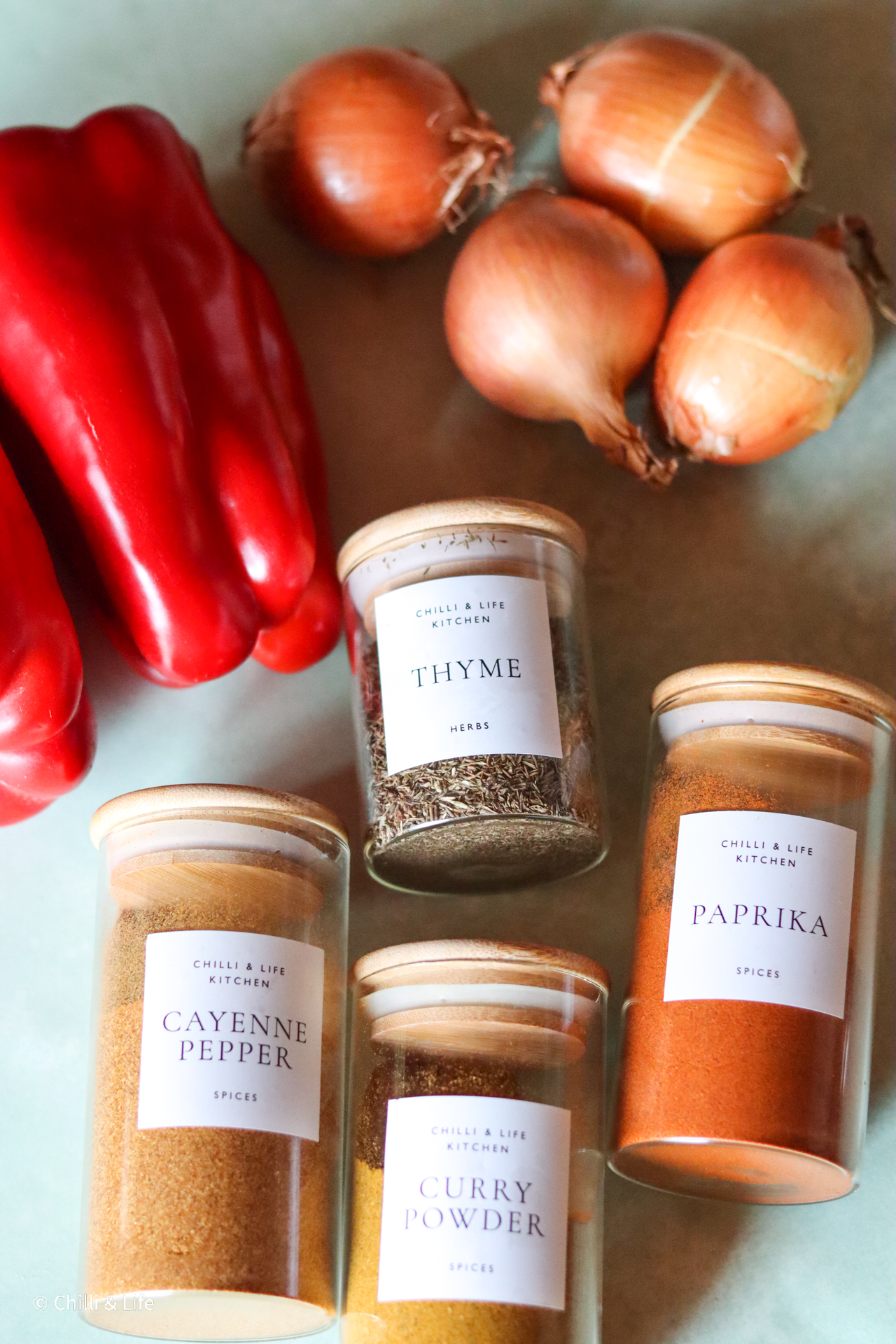
- Red Peppers – Known in yoruba as “tatashe” will provide some bold peppery sweetness to the stew base.
- Brown Onions – I like to use brown onions because of the balance of sweetness and tartness. Some Nigerians like to use the sweeter red onion this also works well.
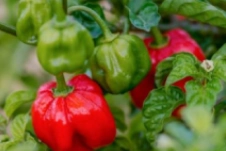
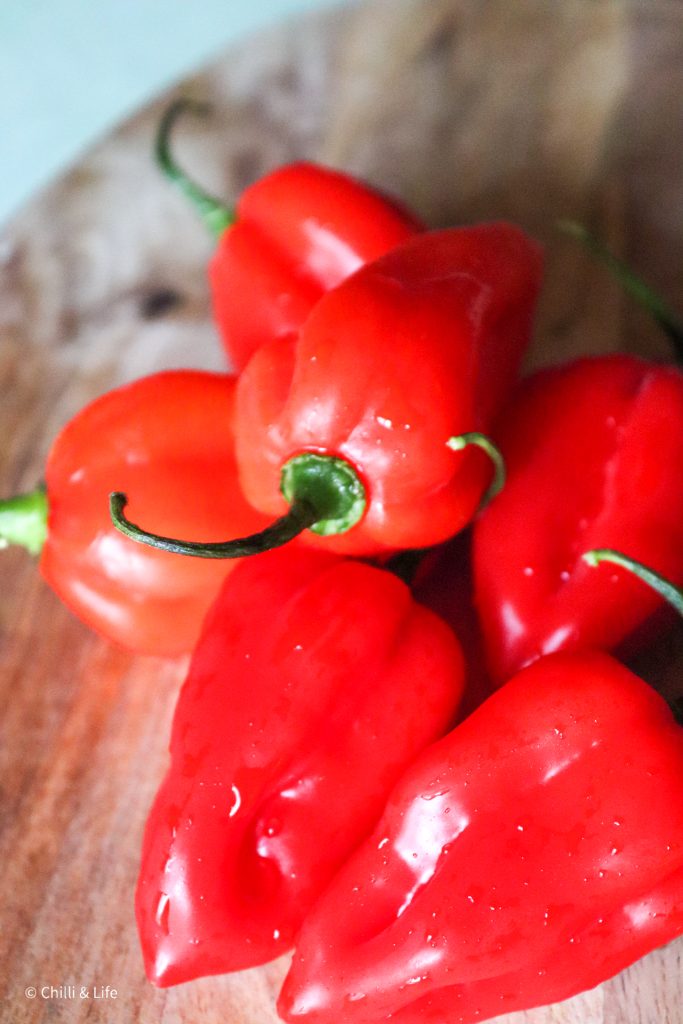
- Scotch Bonnet – Or “ata rodo” is a native chilli to Nigeria. It is fruity, hot and relatively easy to source. You can substitute for Caribbean habaneros.
- Stock Cubes – Traditionally the stock cubes used back home are Maggi. I no longer use maggi but use either fresh Homemade Chicken Stock or an organic chicken stock cube like Kallo or Knorr.
- Thyme – This popular herb is used a lot in Nigerian cooking.
- Curry – Curry powder is another essential spice needed for the delicious stew base.
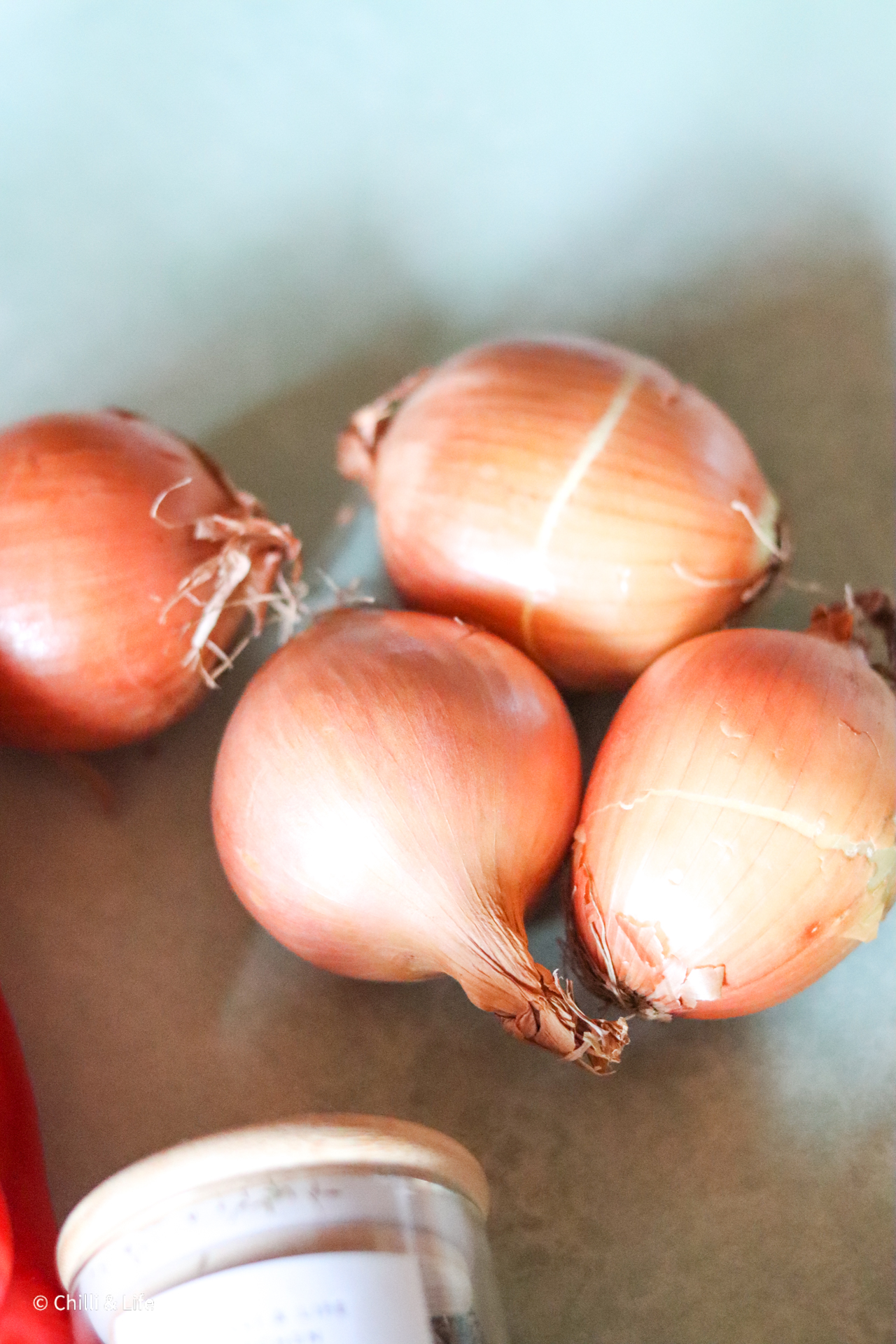
The Meat –
- Whole Chicken – In the UK I would source boiling chicken from an asian butcher. These chicken are old laying hens and so the meat is a lot tougher. It has more flavour and can withstand the long cooking process without completely falling apart, which we don’t want.
- Beef – I like to use muscle. This cut of meat is affordable and super tasty. The connective tissue and fat found in this cut provides great flavour and can also withstand the triple cooking process without falling apart.
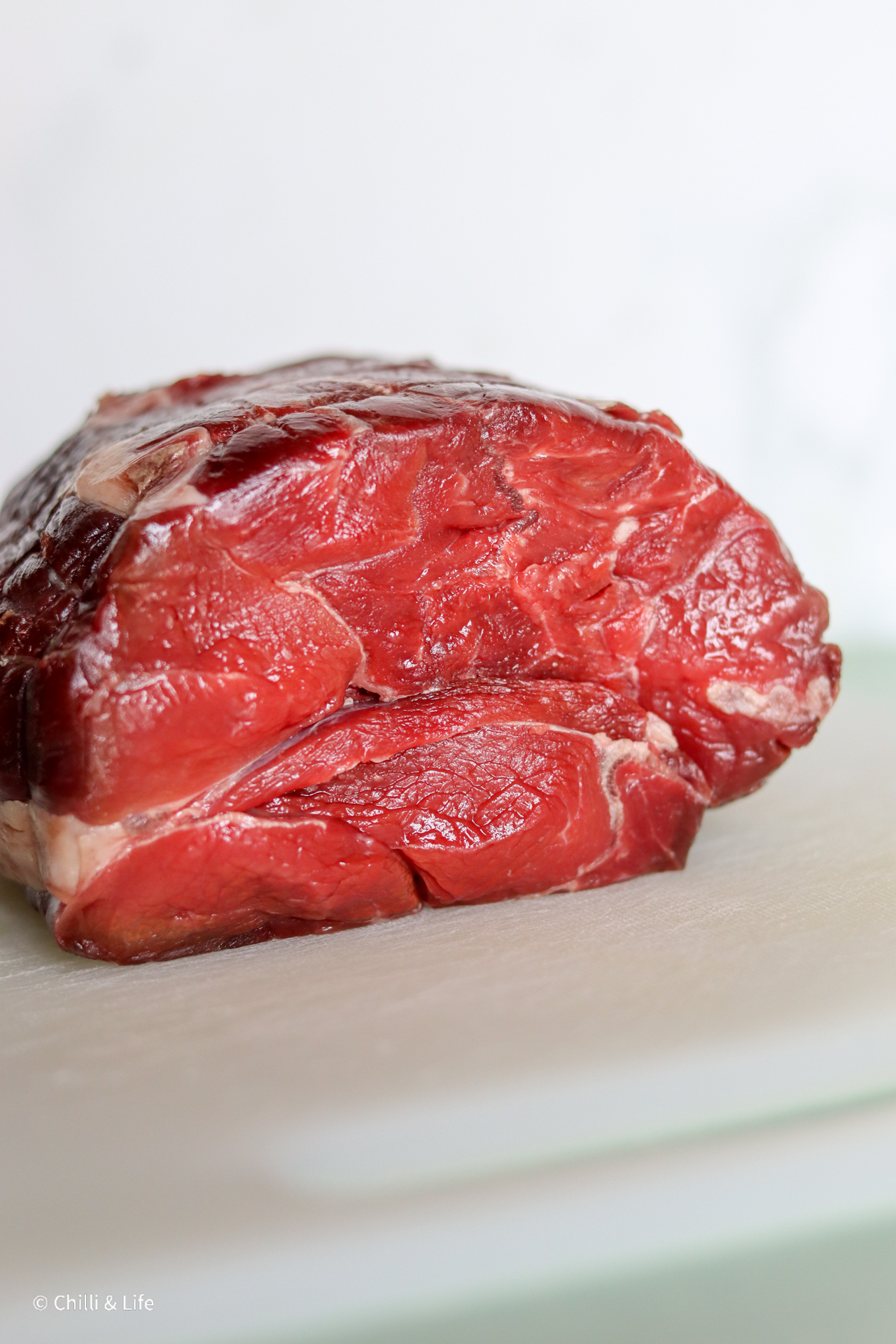
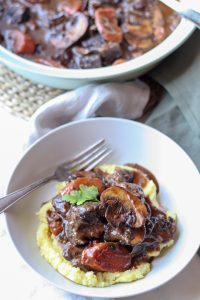
Nigerians like their meat hard. They tend not to like soft meat often found in European stews like Beef Bourguignon and Coq au Vin. This recipe follows the traditional way to cook Nigerian Stew the way I and Nigerians like it. Let me know how your family cook it in the comments 🙂
Tips & Tricks
- This recipe is long to make and requires several pots on the go. One of my best tips is to cook the meat on day 1 and keep in the fridge in ziplock bags overnight and cook the stew on day 2.
- Try to find boiling chicken or a capon. You will need good quality chicken that can withstand long cooking processes. Supermarket chicken for a fiver just wont cut it.
- Buy your fresh ingredients from an asian or African green grocer for two reasons. To support local businesses and get super authentic and fresh ingredients.
- Be sure to use a good blender so your stew base is nice and smooth. I love my blender its the 3 in 1 ninja from Shark. Find the link here.
- If you have the time or like me have bottles of Homemade Stock in the freezer be sure to use homemade stock for the recipe for even better flavour.
- Or just save the simple stock from the meat cooking and use that!
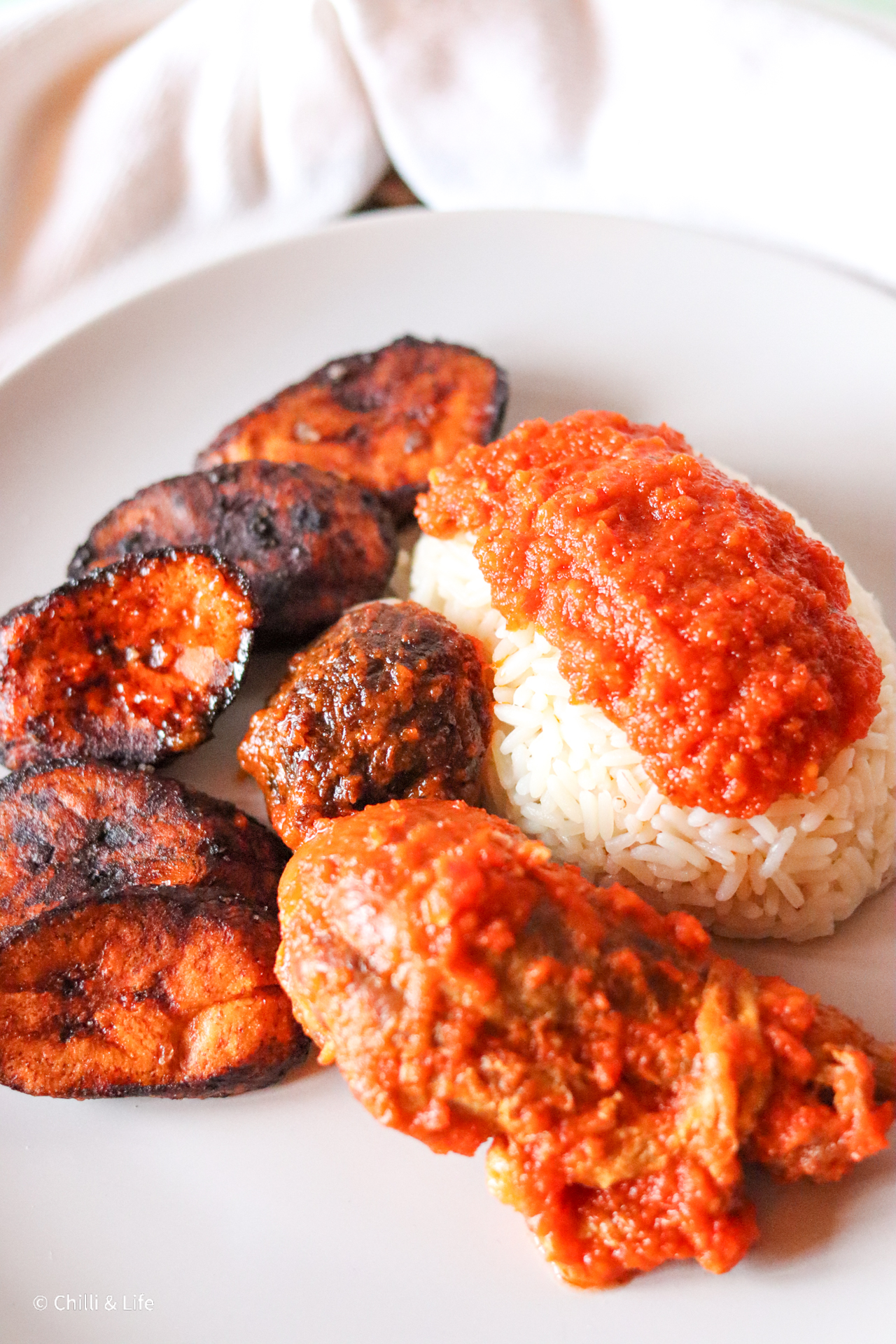
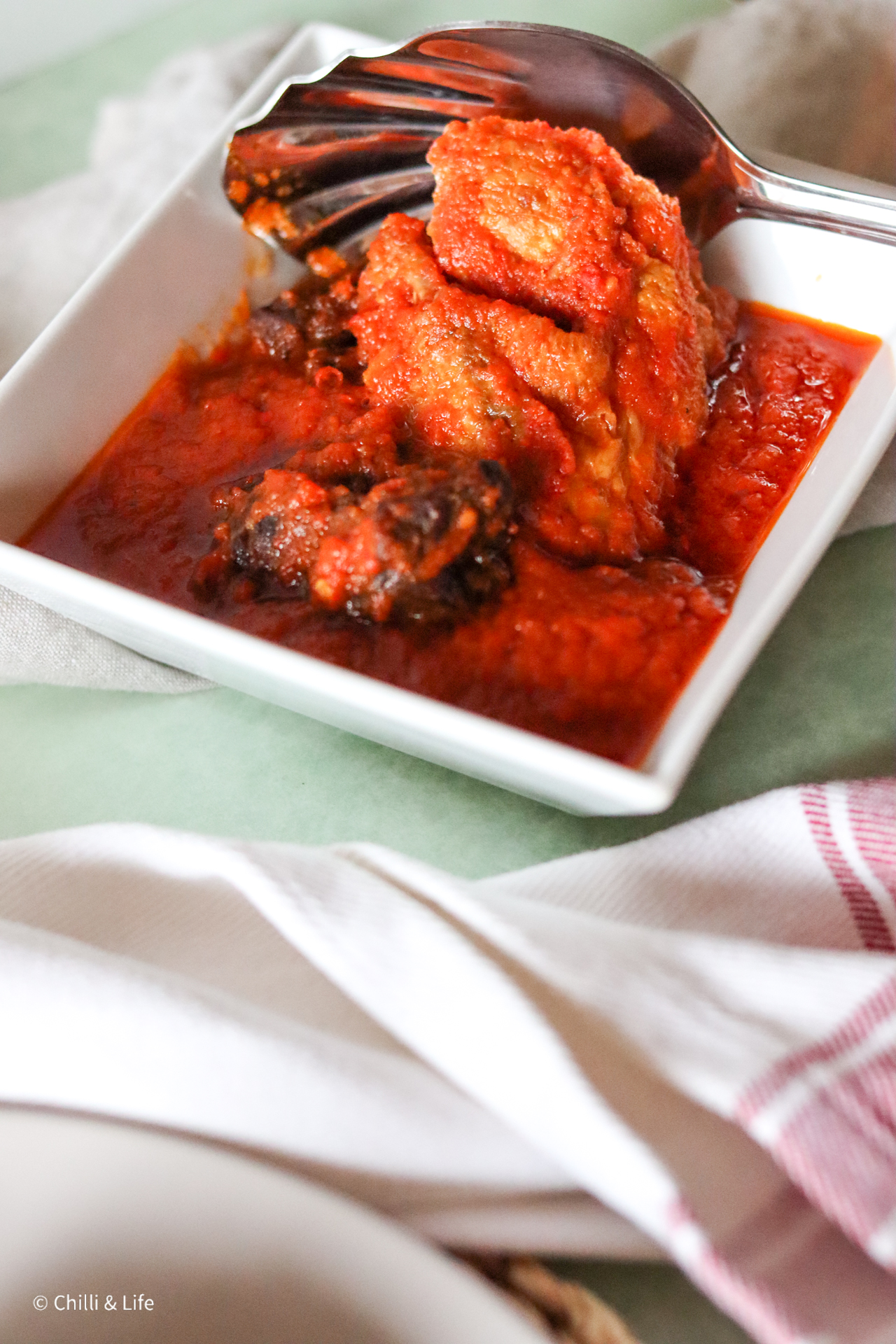
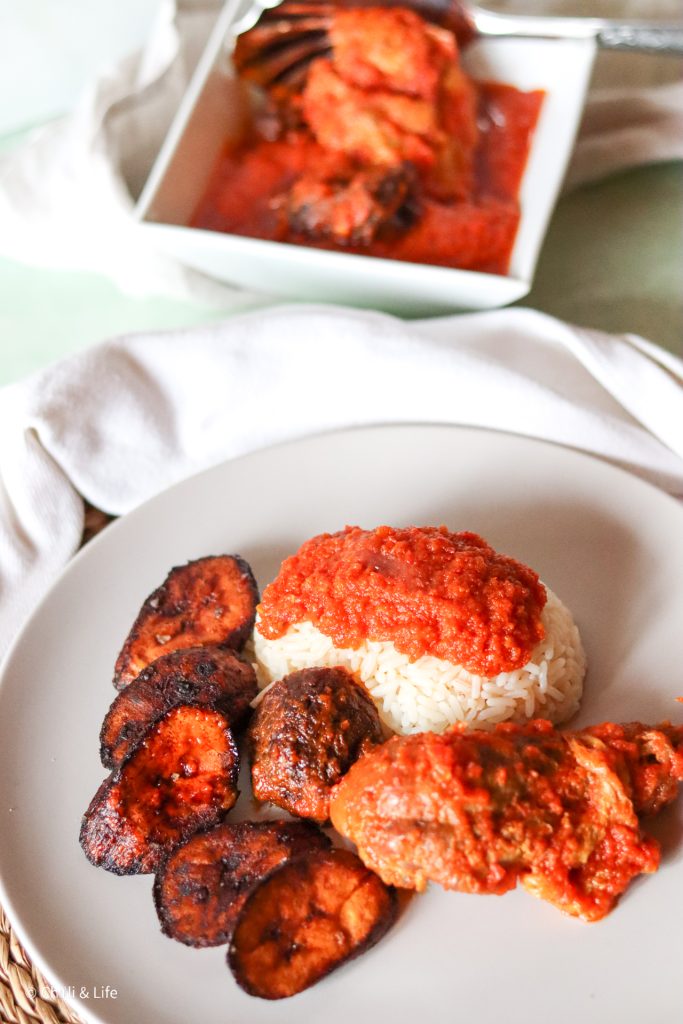
Nigerian Chicken and Beef Stew Serving Suggestions –
Nigerian Stew is a well loved recipe eaten all over Nigeria. This delicious recipe is usually eaten alongside white rice, usually long grain.
It is also eaten with pounded yam, eba, ground rice and fufu! Let me know in the comments if you want more Nigerian recipes at Chilli & Life.
Check out my fail proof White Rice recipe here!
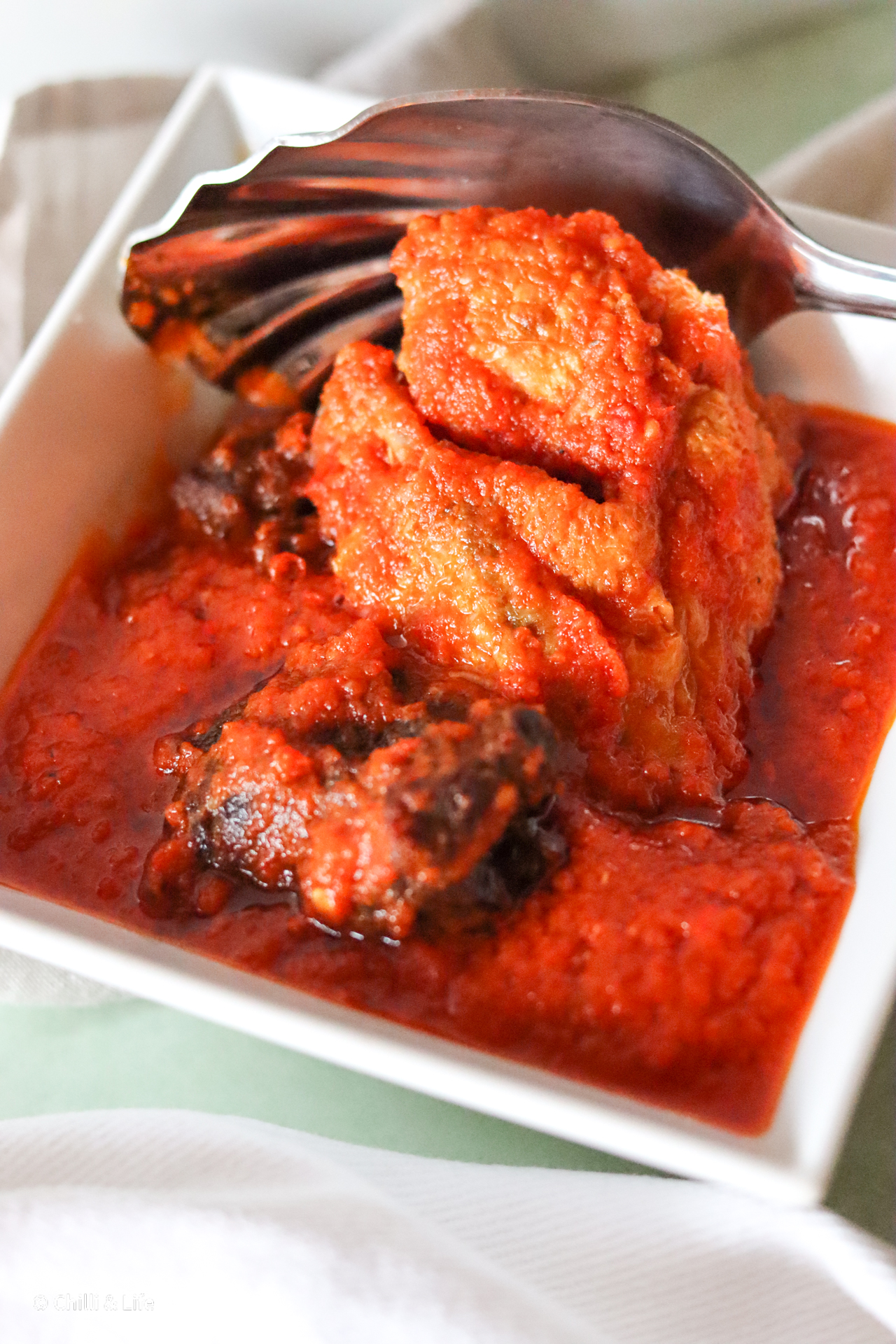
Super Spicy Nigerian Stew
Equipment
- 3 Deep casserole pots
- 2 deep frying pans or deep fat fryer
- 1 Blender
- Wooden Spoons
- Sharp knife
- Tongs
- Kitchen roll lots
Ingredients
Stew Base
- 20 tomatoes
- 3 medium/large brown onions
- 6-10 scotch bonnet
- 2 red peppers
- 1 tbsp tomato paste
- 1½ tsp thyme
- 1½ tsp curry powder
- 1 tbsp salt
- 1 tsp paprika
- 1 tsp black pepper
- 1 tsp ground ginger
- 1 cup sunflower oil
- 2 tbsp palm oil optional for flavour and colour
- 300 ml chicken or beef stock
Beef
- 1 kg beef muscle cut into 2 inch pieces or to your choice
- 1 stalk celery
- 2 carrots
- 2 onions
- 1 tsp thyme
- 1 tsp salt
- 1 beef stock cube
Chicken
- 1 whole chicken cut into 8-10 pieces
- 2 stalks celery
- 2 carrots
- 2 onions
- 1 tsp thyme
- handful fresh parsley
- thumb size ginger optional
- 1 chicken stock cube
Instructions
Boiling the Meat
- In a deep casserole pot add the prepped and cut chicken, celery, onion, carrot, herbs and spices. Add about 2 litres of water or enough to cover the meat.
- Cover the pot and leave on high and allow to come to the boil. Once boiling turn the heat down to low and leave to simmer with the lid off for about 30 minutes or until the chicken is fork tender.
- When ready separate the stock from the chicken and place the chicken into a kitchen roll lined plate, bowl or tray and leave to dry for at least 15 minutes.
- Reserve the stock and vegetables see recipe notes below.
- Repeat the same process for the beef. Add the chopped beef and all ingredients from the list above and repeat the same process.
Frying the Meat
- In a deep frying pan add sunflower oil to the halfway point of the pot. Heat the oil to 180°C and then add the chicken about 6 pieces at a time. It will of course depend on the size of your pan.
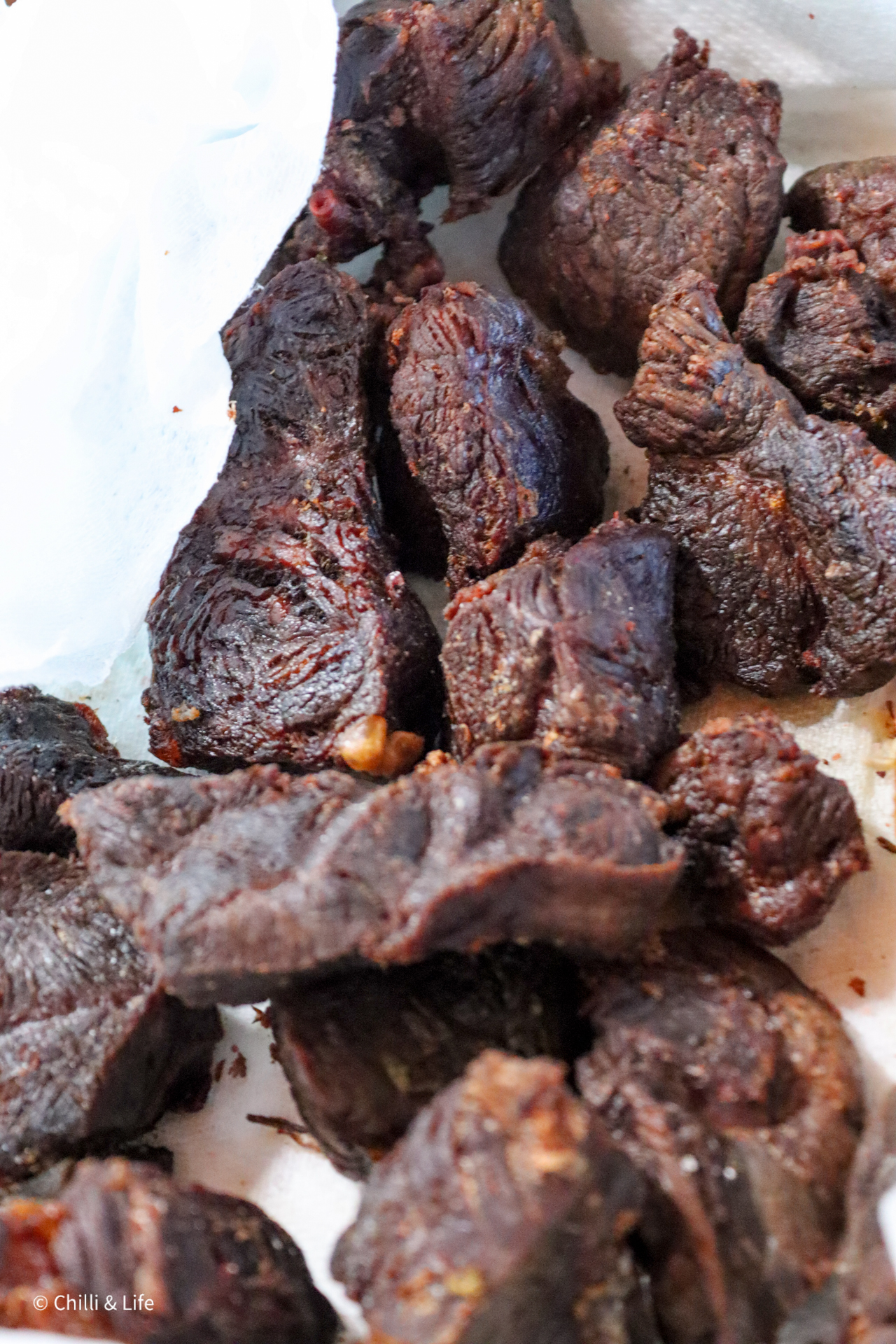
- Fry each piece for about 3-4 minutes each side or until super crispy. Once done remove to a kitchen roll lined tray or bowl.
- Repeat the same process for the beef in the same pan or in a different pan
- You can also use a deep fat fryer, simply follow the instructions of your appliance as to not overheat or overcrowd the appliance.
The Stew
- Add the sunflower and palm oil if using to the pot and heat until just smoking.
- CAUTION – If using a gas stove turn off the fire before attempting the next step!
- In one swift movement pour the stew mix into the hot oil followed immediately by the stock and place a wooden spoon on the top of the pot to prevent excess splashing.
- Add you seasonings of herbs and spices and stir. Keep on a high heat and keep stirring every 5-10 minutes ensuring it is not burning or sticking.
- The stew will splash – continue to leave the wooden spoon balancing over the pot to prevent excess splashing or turn down slightly if you prefer.
- When the stew has reduced, the smell has changed and the oil has separated and is sitting at the top of the pot the stew is almost ready. Taste for salt and pepper and adjust as necessary.
- Add your cooked meat to the stew stir, cover and turn the heat to low. Cook for a further 15-20 minutes and your stew is done.
Notes
- Save the liquid from boiling the meat as this is delicious homemade stock.
- You can also save the vegetables from the meat boiling and blend together to make a delicious soup.
- Use a wooden spoon placed across the top of the pot to prevent excessive splashes and boiling over.
- The stew will splash so set up a splash back if you want to avoid an intense clean up.
- This recipe is traditionally cooked outside in a very deep pot to protect the kitchen and yourself from the sometimes intense splashes that come from the stew while it frys.
- Protect yourself by wearing long sleeves!
- Use a long wooden spoon to stir!
- Turn down the heat if you are not an advanced cook or are fearful around hot oil.
- Additionally, heat the oil for the stew to just before smoking if you are a beginner or fearful around hot oil.
Did you try this Nigerian Chicken and Beef Stew Recipe?
Got any questions? Ask away! I’m here to help! If you loved this recipe, I hope you’ll leave a comment and rating below! Let me know how it turned out for you and share it on social media. Don’t forget to tag us at @chilliandlife and hashtag it #chilliandlife ! I’ll be sure to share it!
Other Posts You May Enjoy