

Principles of French Cooking: A Friendly Guide from My Kitchen in Southwest France
Principles of French Cooking: A Friendly Guide from My Kitchen in Southwest France
- 2177
- 0
On my blog Chilli & Life, I usually lean into spice, bold flavours, and the warmth of global kitchens. But France has taught me to appreciate the balance between technique and creativity, between patience and play.
When I first moved from London to the rolling hills of southwest France, I thought I had a decent handle on cooking. After all, I’d been experimenting in my own kitchen for years, teaching myself through trial, error, and endless curiosity. But discovering the Principles of French Cooking changed everything — suddenly food became more about technique, balance, and a deeper respect for ingredients.
But living here changed everything. In May 2024 I completed my CAP Cuisine diploma, gaining classical French training to go with my self-taught background. Since moving here and completely changing my career. I’ve worked in a local French bistro and launched my own private chef business — and with each experience, I’ve fallen even more in love with French cooking.
On my blog Chilli & Life, I usually lean into spice, bold flavours, and the warmth of global kitchens. But France has taught me to appreciate the balance between technique and creativity, between patience and play. Here are the key principles of French cooking that have shaped the way I cook — and that you can bring into your own kitchen too.
Respect for Ingredients
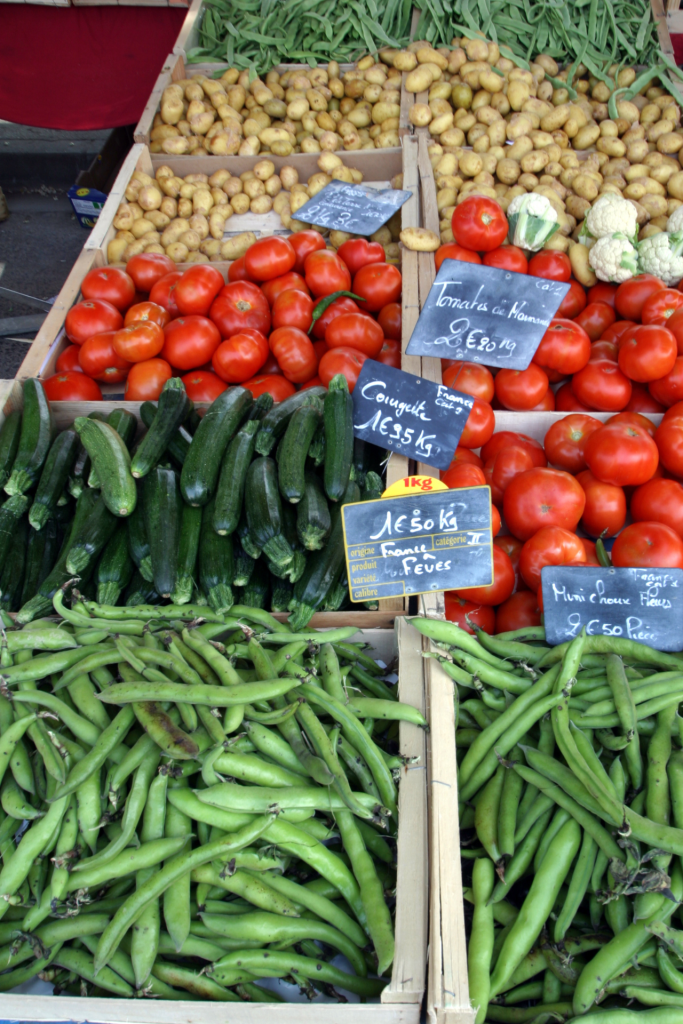
French cooking starts at the market. Fresh, local, seasonal produce is the foundation of every dish. A perfect tomato, a wedge of ripe cheese, or a crusty baguette is never treated as ordinary.
The principle here is simple: let your ingredients shine. A tomato salad with olive oil and salt can be just as satisfying as a three-course dinner. French cuisine reminds us that when ingredients are good, you don’t need to overcomplicate.
Mastering Core Techniques
One of the biggest gifts of my CAP Cuisine training was realising that technique is everything. French terms like sauté, braise, and confit aren’t just culinary jargon — they are ways of transforming ingredients.
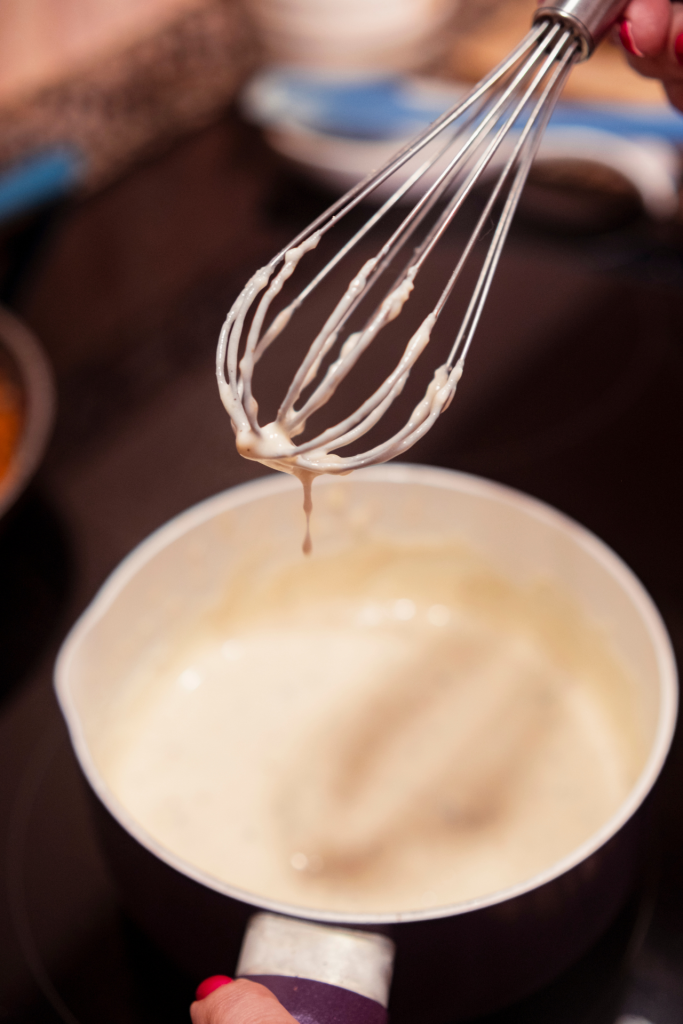
And then there are the five “mother sauces”: béchamel, velouté, espagnole, hollandaise, and tomato. Once you’ve got these under your belt, you can create endless variations with confidence.
You don’t have to learn everything at once. Start small: practice a silky béchamel for lasagne, or master the art of caramelising onions. These little wins build a strong foundation.
Balance and Harmony
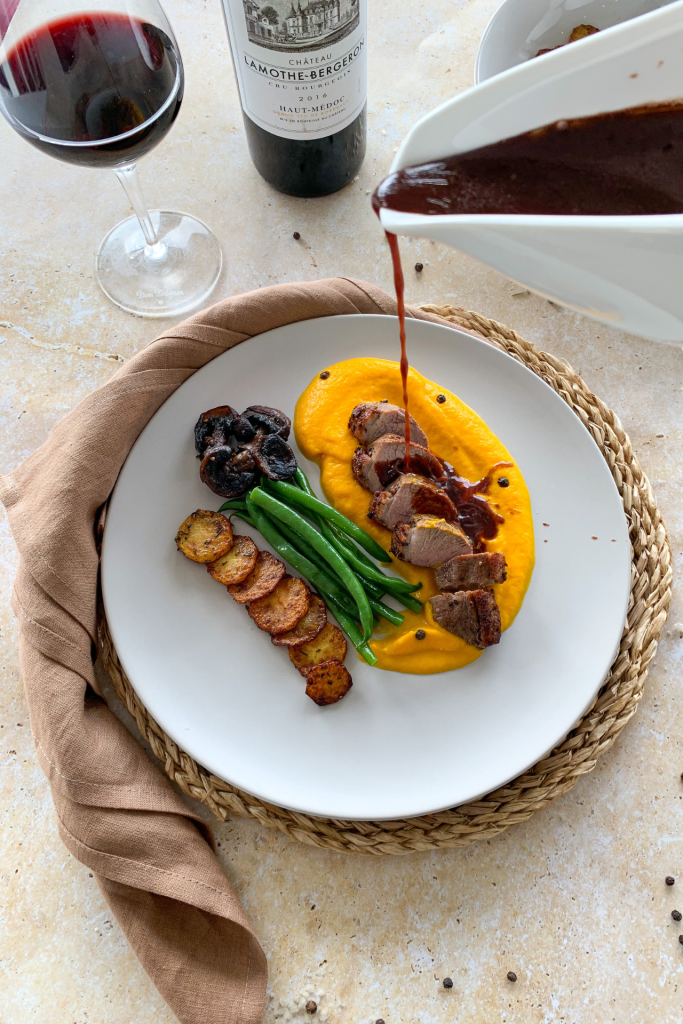
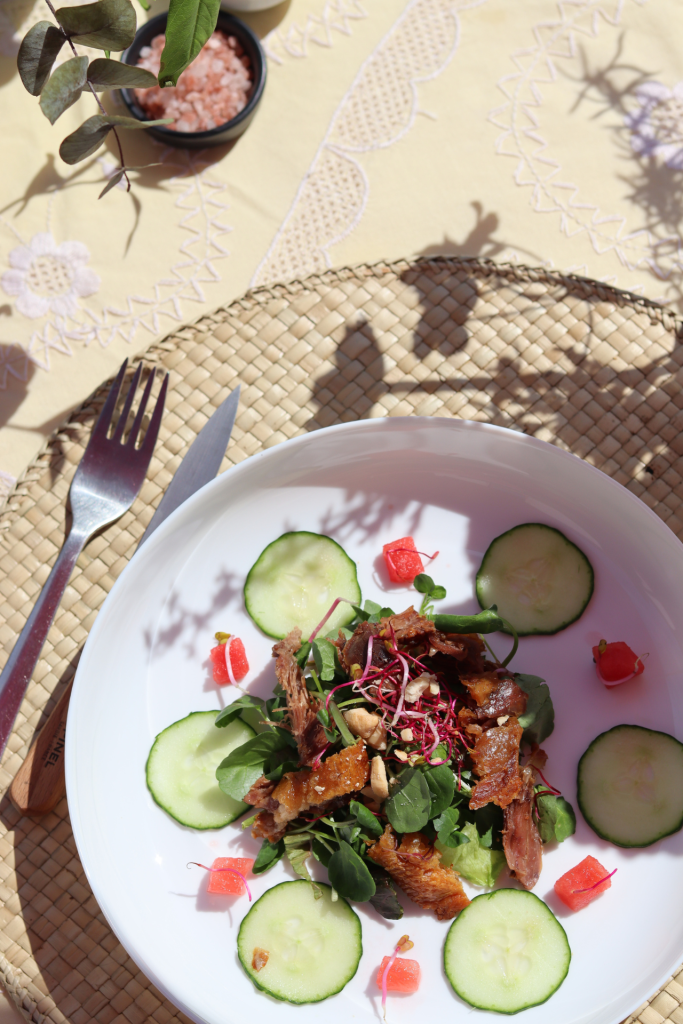
While I’ll always adore a chilli kick, French cuisine has taught me the art of balance. A creamy sauce finds brightness with lemon. A rich duck confit sings when paired with a mustardy salad.
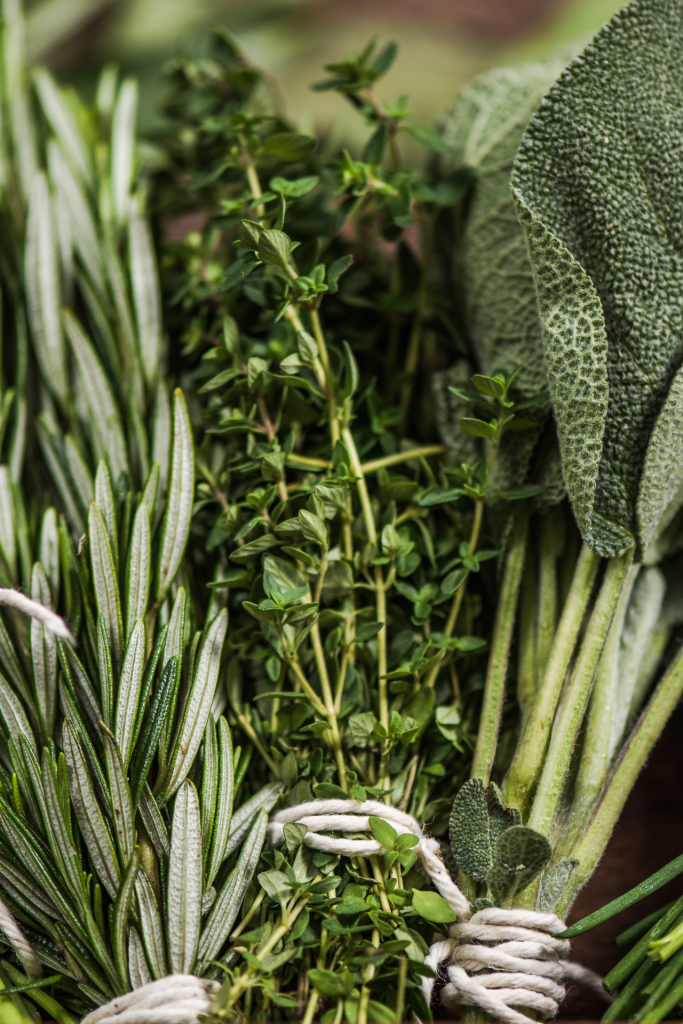
Think of it as cooking in harmony: if a dish feels heavy, lighten it with herbs or acidity; if it’s too sharp, soften it with butter or cream. French cooking is like composing music — every note matters.
Time and Patience
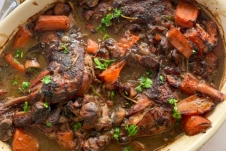
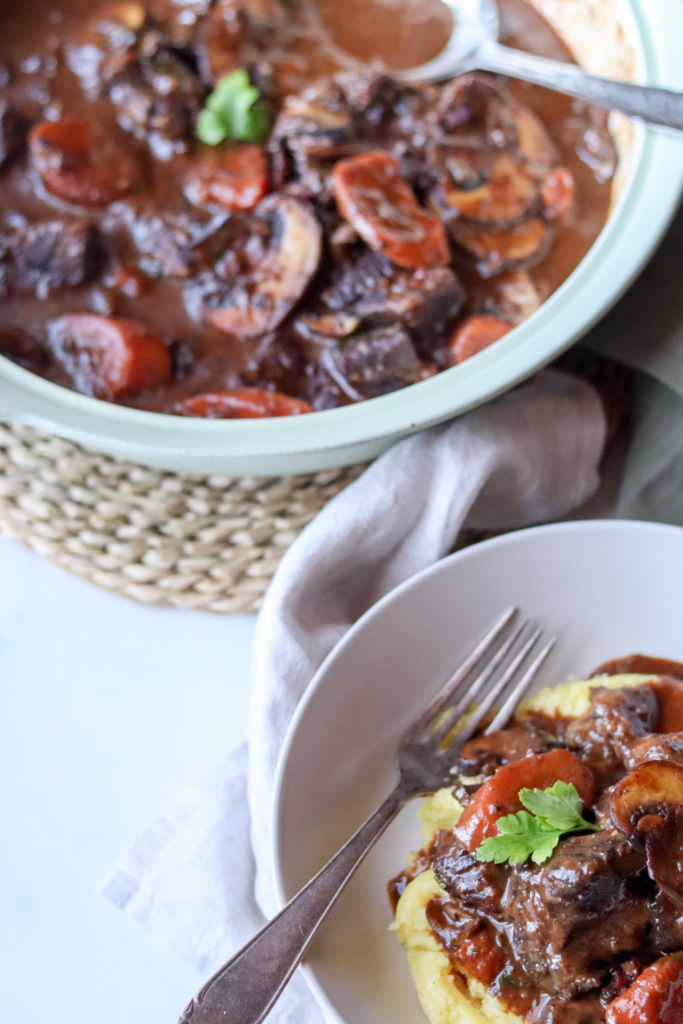
If there’s one thing French food has taught me, it’s to slow down. A boeuf bourguignon takes hours, not minutes, and that’s what makes it magical. Flavours deepen and layers build in ways you just can’t rush.
That said, French cooking also celebrates the quick and simple — from a perfectly cooked omelette to a salade niçoise. The key isn’t speed; it’s care and attention.
Wine, Butter, and Knowing When to Use Them
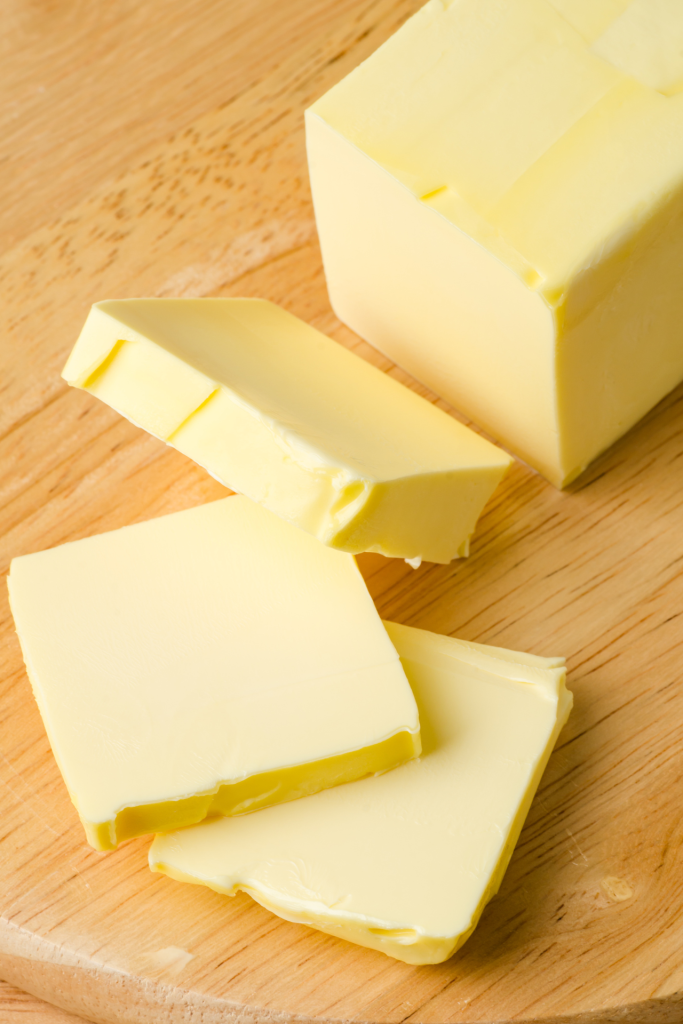
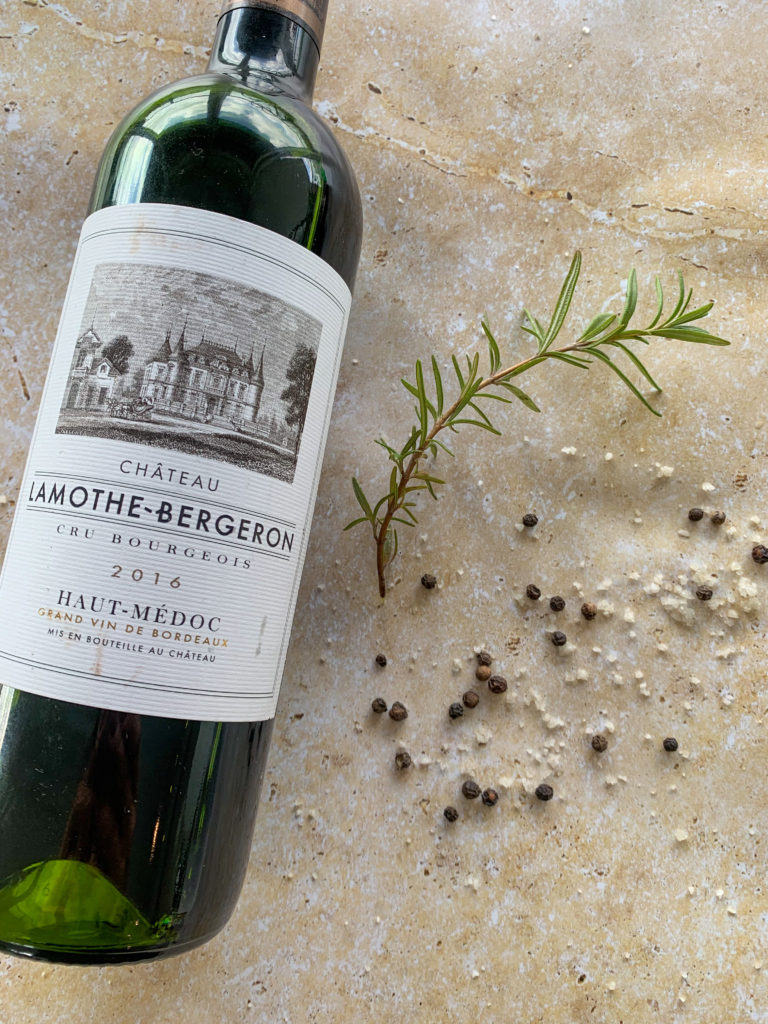
Yes, the clichés are true: French food loves wine and butter. Used wisely, they add depth, richness, and comfort. A splash of wine in a stew creates complexity, while butter makes sauces silky and delicious!
The principle here is indulgence in moderation. Don’t drown your dish, just enhance it.
Tradition Meets Creativity
French cuisine is rooted in tradition, but it isn’t stuck there. Chefs across the country are blending influences, reinventing classics, and pushing boundaries.
For me, that’s where the fun really starts. As a Londoner with Nigerian roots and a love of spice, I don’t just “copy” French food — I use the principles I’ve learned to create something new. Whether I’m cooking in a local bistro kitchen, designing menus for private clients, or experimenting at home, I let French tradition meet my love for chilli and bold flavours.
Final Thoughts
French cooking might look intimidating from the outside, but it’s really about joy and care:
- Respect ingredients
- Master a few key techniques
- Find balance
- Be patient
- Let your personality shine
Here in the southwest, I’ve found a rhythm that combines the elegance of French tradition with the fire of global flavours. If I can learn this — as a self-taught cook turned classically trained chef — so can you.
So pour yourself a glass of wine, take your time, and enjoy the adventure. The Principles of French Cooking will soon feel like second nature.
Bon appétit — and don’t forget the chilli. 🌶️
Did you Like this Principles of French Cooking Post?
Got any questions? Ask away! I’m here to help! If you loved this post, I hope you’ll leave a comment below! Let’s start a converstion and connect with each other over common interests! Don’t forget to tag us at @chilliandlife and hashtag it #chilliandlife ! I’ll be sure to share it!
Other Posts You May Enjoy